
Costa Rica: off the beaten track on the wild South Pacific coast
Punta Banco
Costa Rica is intense, intoxicating, incredible and one of the most biodiverse countries on earth.
Most visitors to Costa Rica flock to the tourist honey pots of Manuel Antonio, La Fortuna/Arenal, Monteverde Cloud Forest and the Guanacaste/Nicoya Peninsula beach resorts. We, of course, prefer to get off the beaten track!
We’ve been to Costa Rica twice now: the first time nine years ago on a family trip with our kids, when we spent a week near Dominical on the Pacific coast and a week at Drake Bay on the Osa Peninsula. Our second visit was in February-March 2026, and we noticed some changes, especially that Dominical has become more ‘sourdough’ – by that I mean upmarket hipster, with a growing wellness and yoga scene to complement the traditional surfer vibe. Overall though changes have been positive, with the Costa Rican Government remaining committed to eco-tourism and to conserving Costa Rica’s immense wealth of natural habitats and beauty.
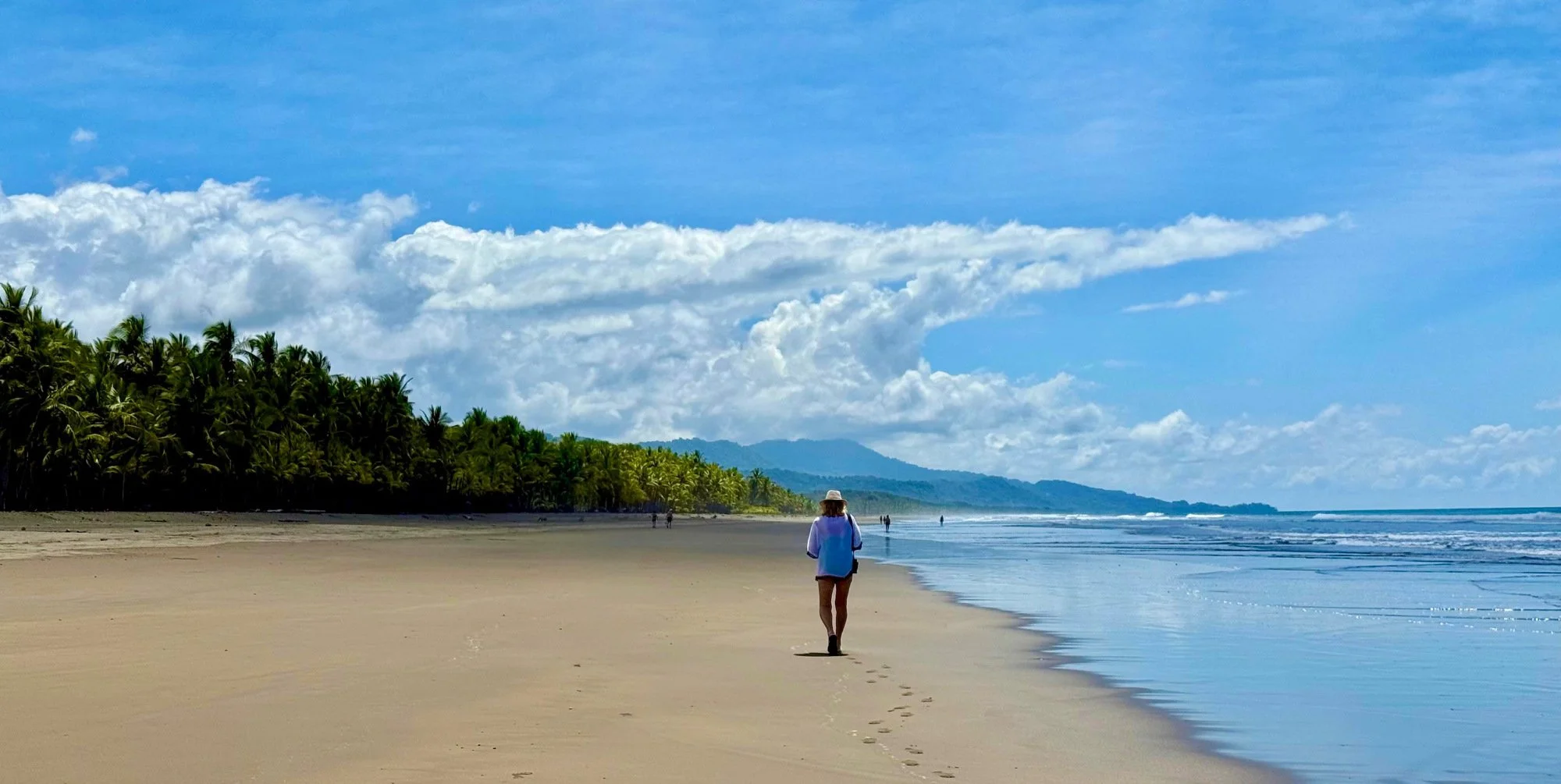
Playa Langostino
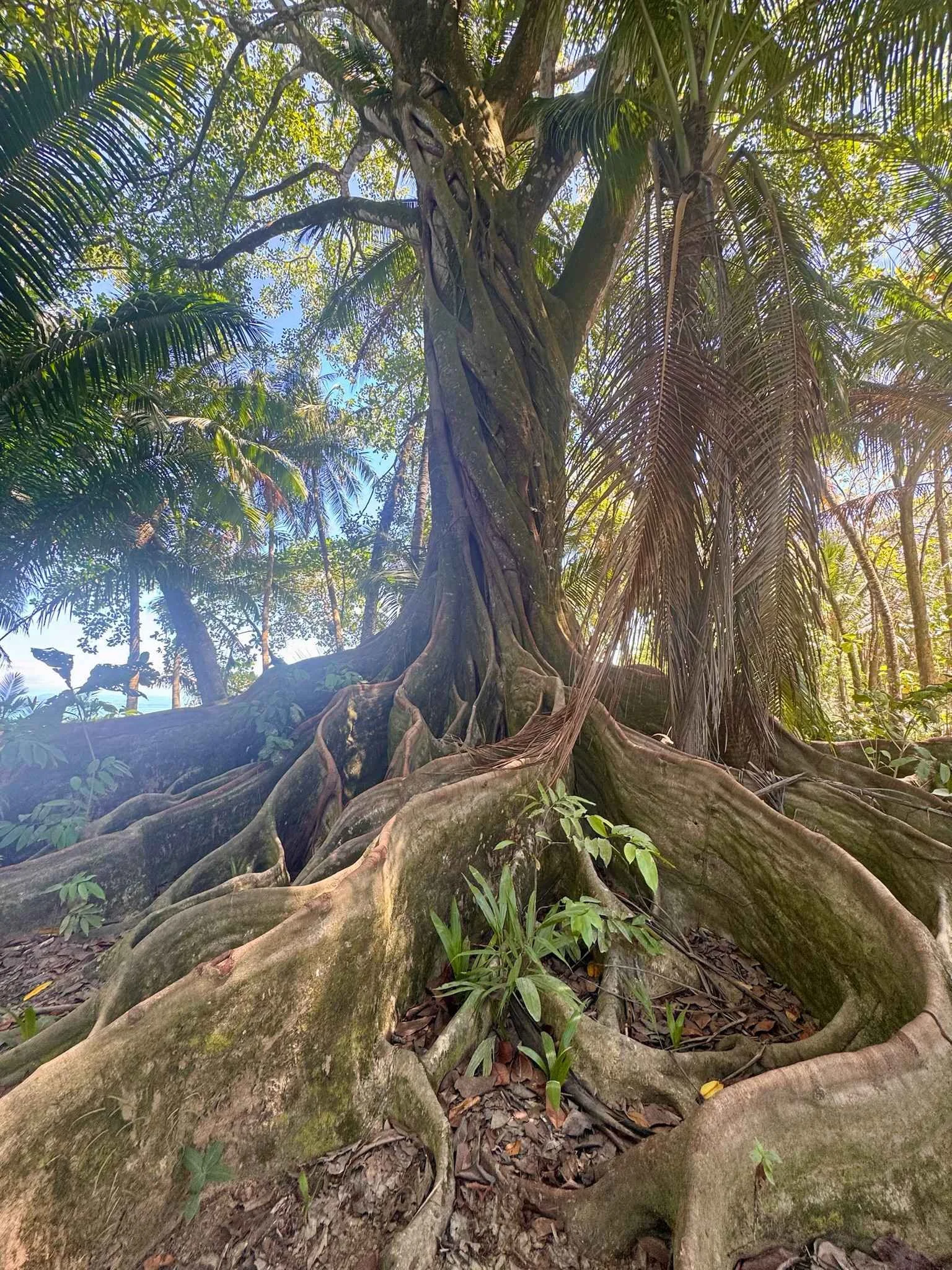
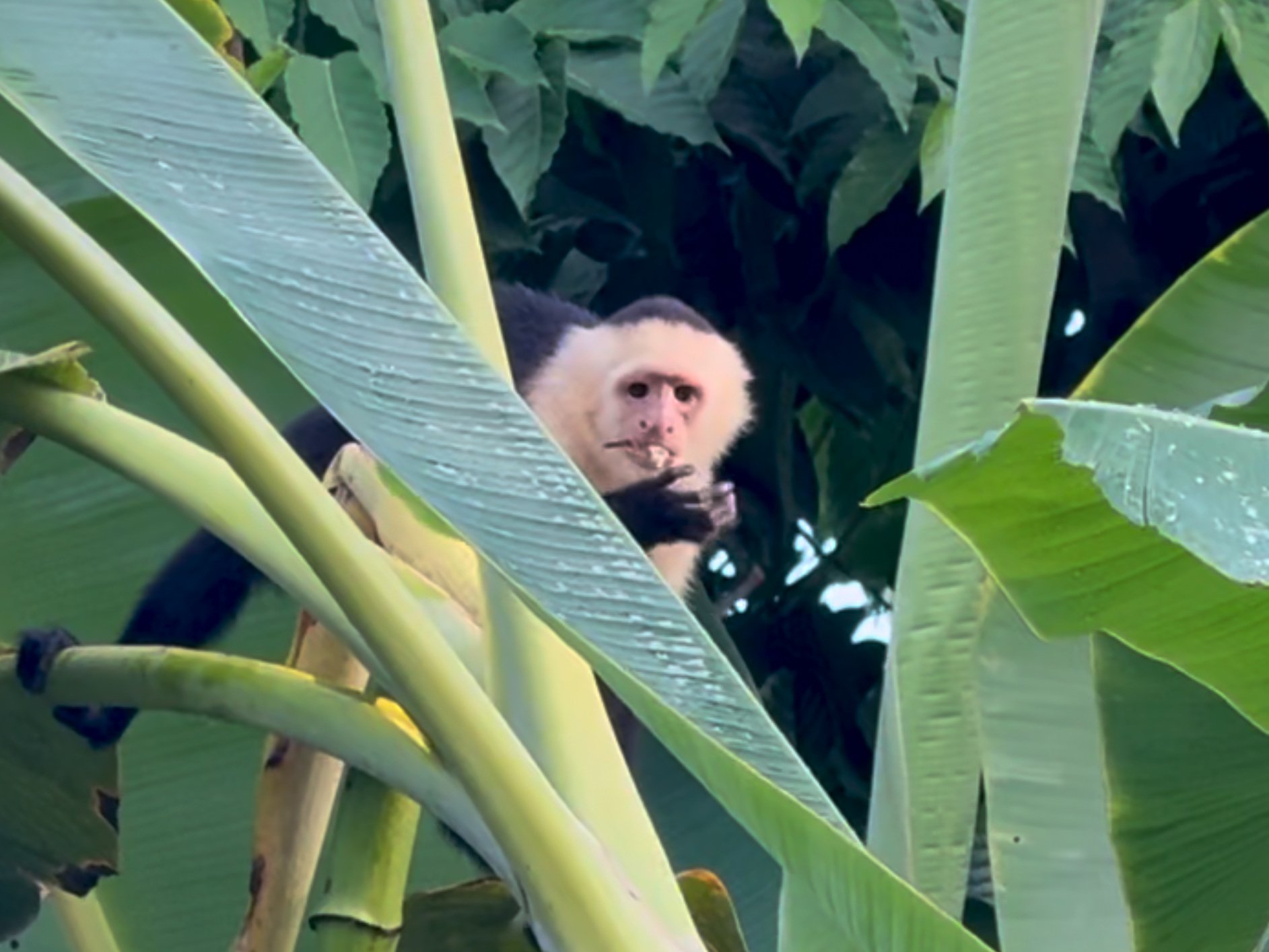
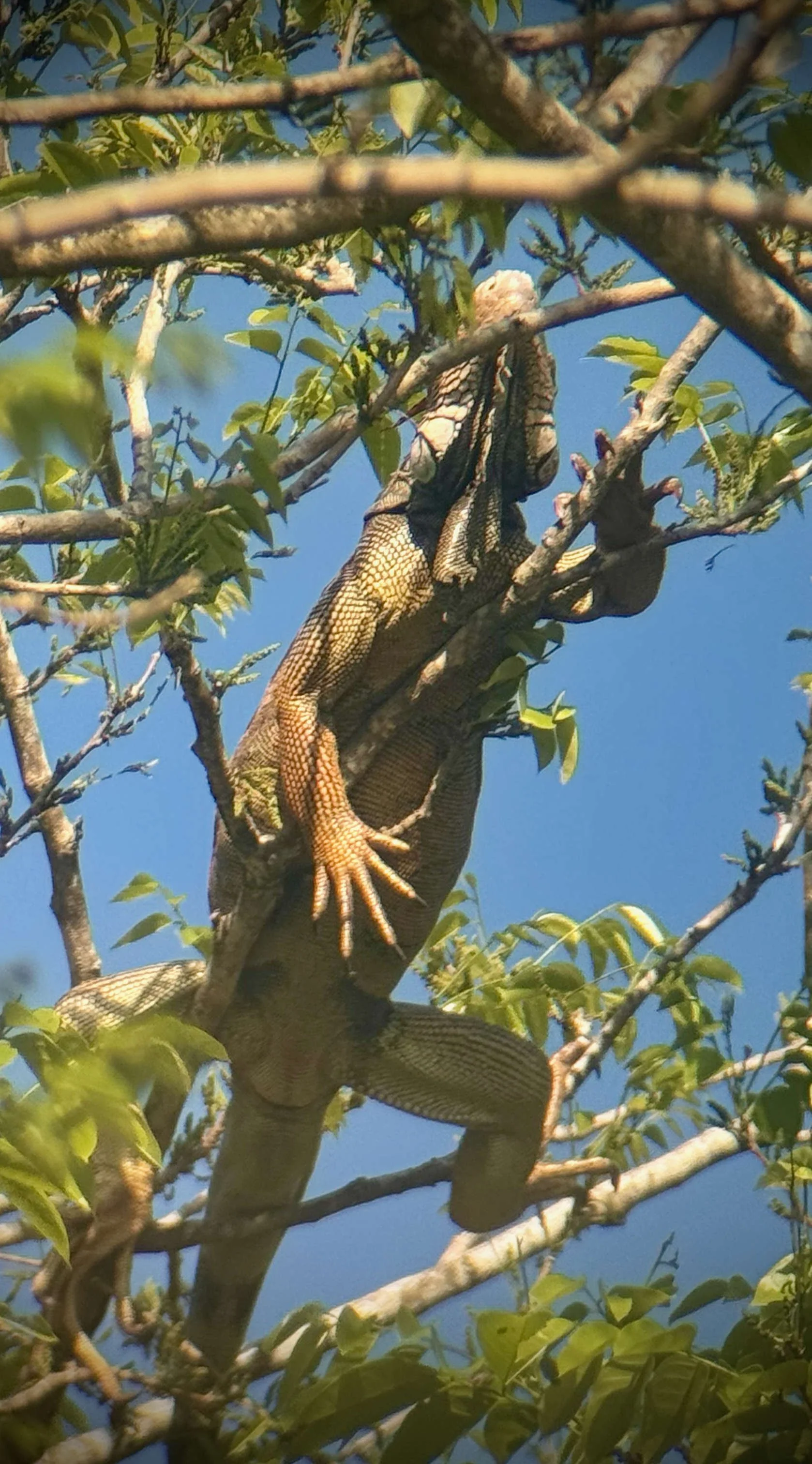
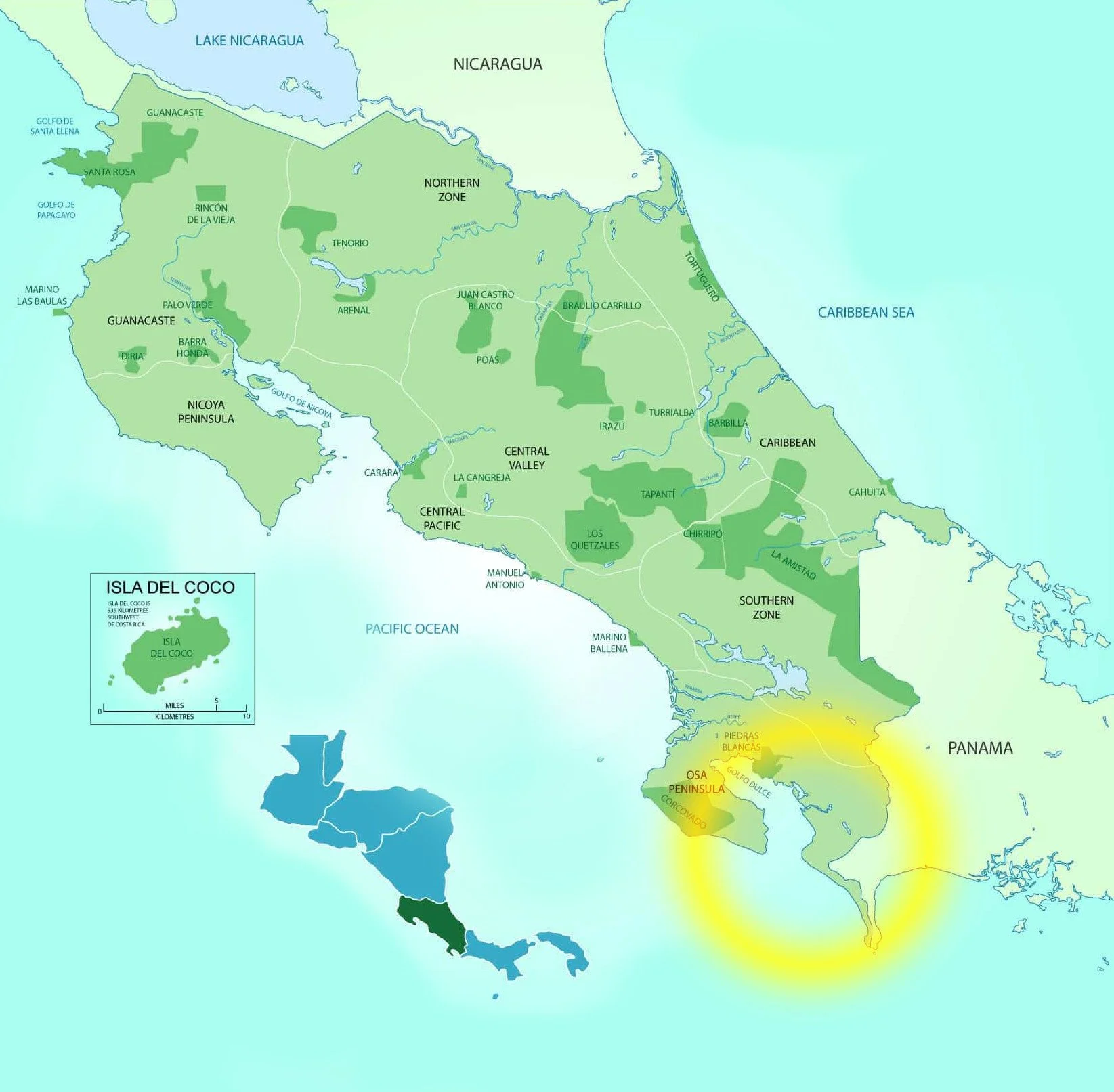
The Costa Rica ‘Deep’ South Pacific Coast
The main focus of this blog is our most recent trip to Costa Rica in February-March 2026, where we spent a few days with friends near Dominical, and then ten days in the ‘deep South’. By the ‘deep South’ I mean the Pacific Coast area between Golfito and the Panama border – one of the least tourist-visited and most undeveloped places in Costa Rica. It was an exceptionally special place where we…
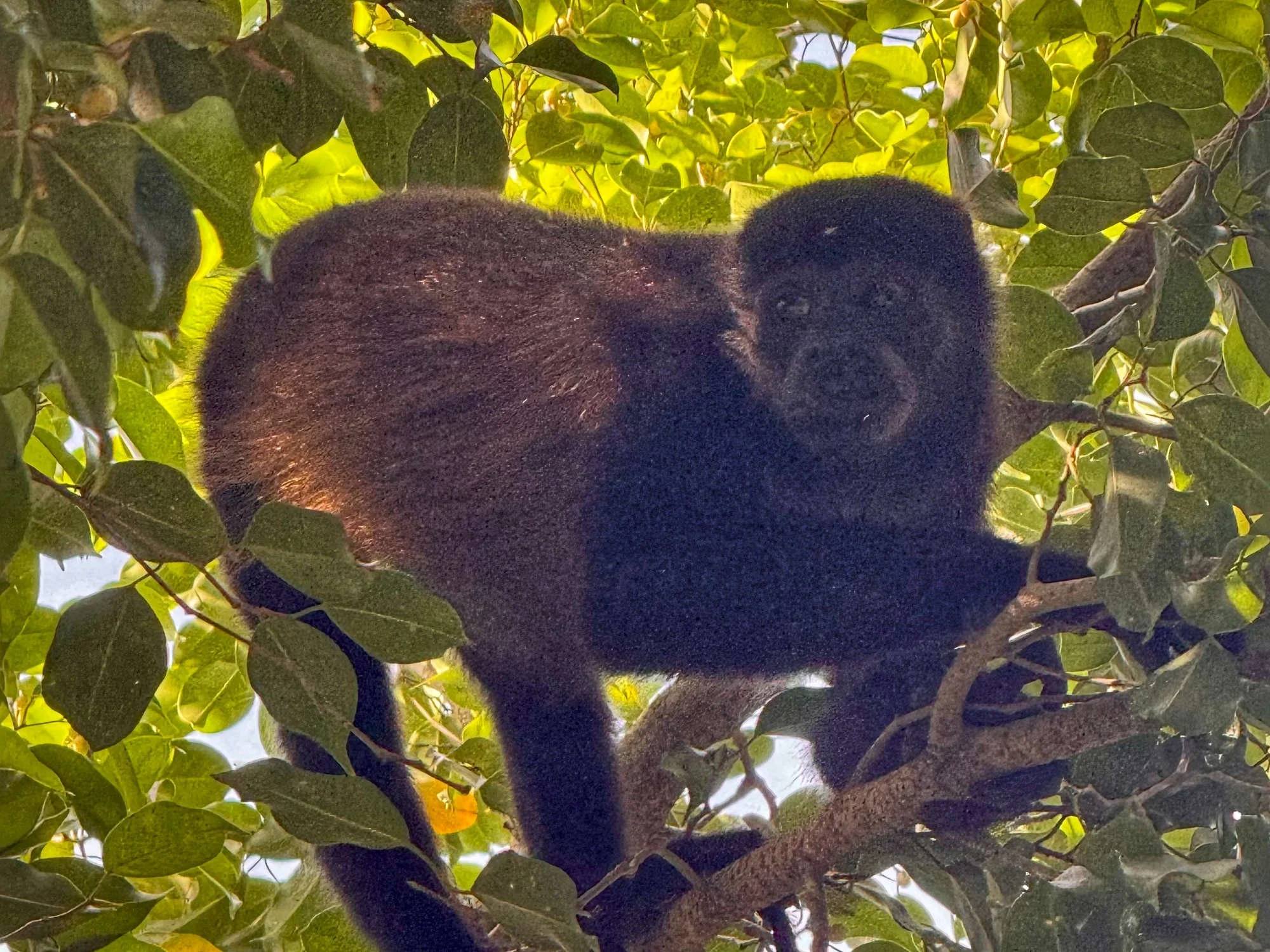
Were woken at dawn by the haunting calls of howler monkeys
Watched troops of squirrel and capuchin monkeys swing through the trees
Watched sloths lazily make their way up their favourite tree before settling down for another snooze or scratch
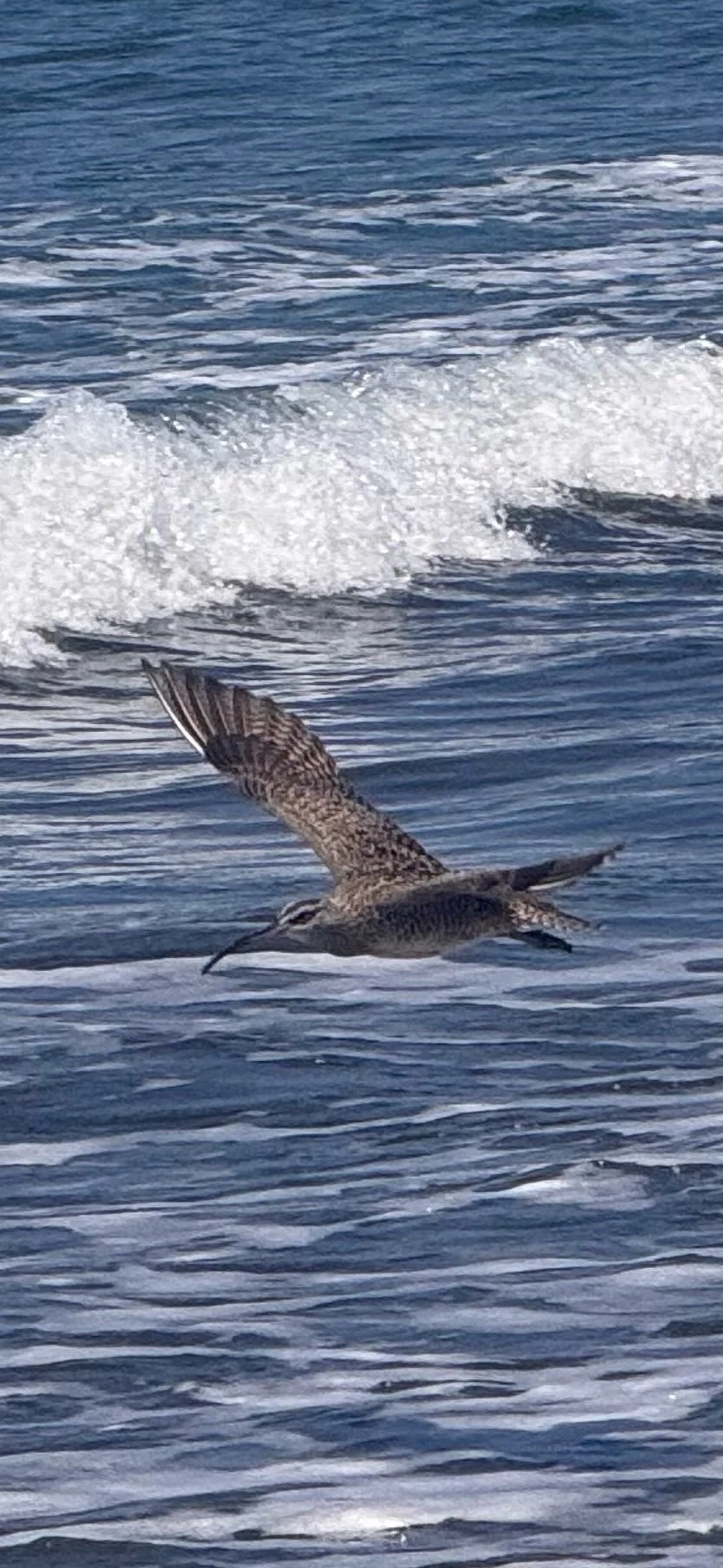
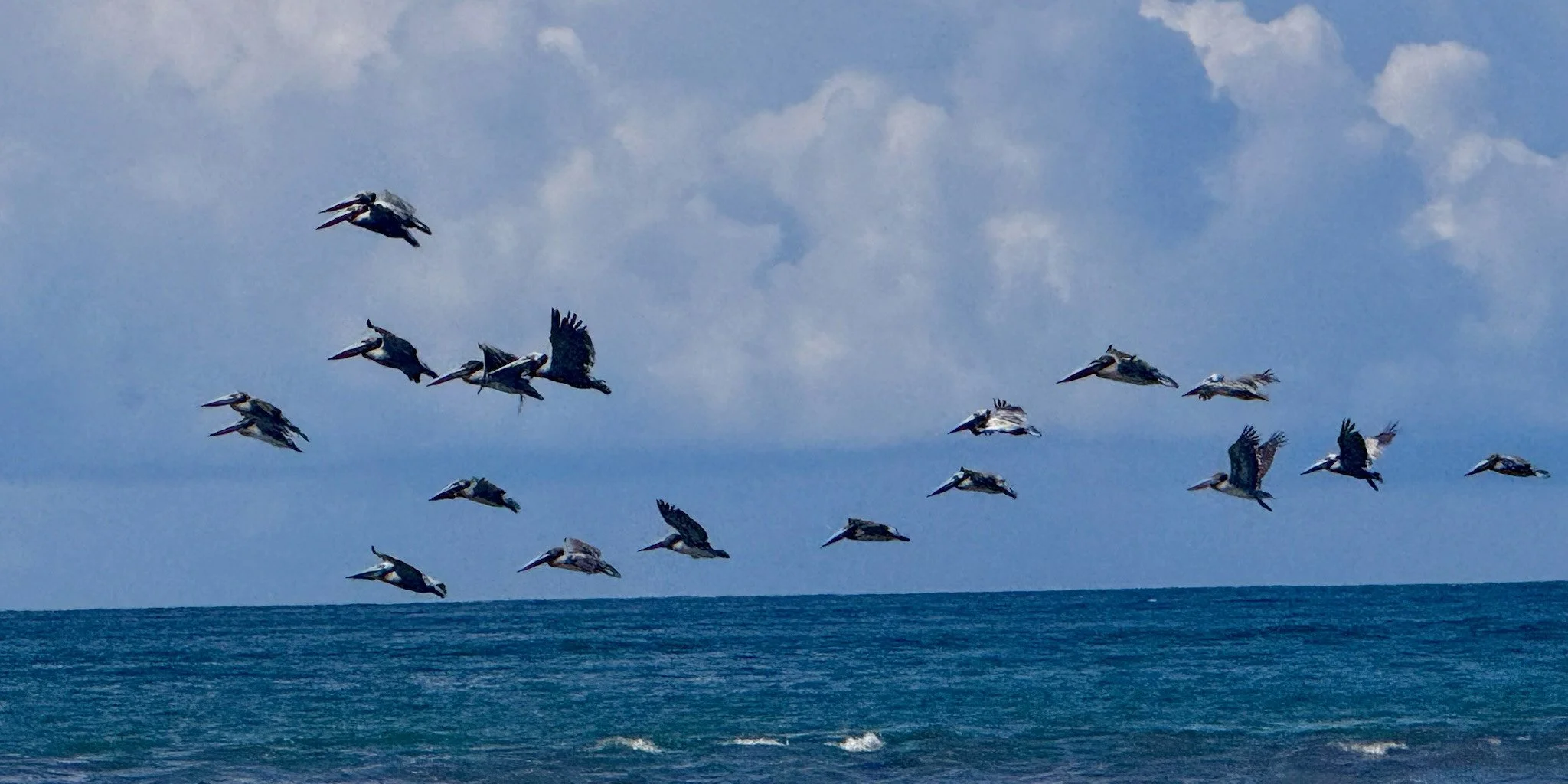
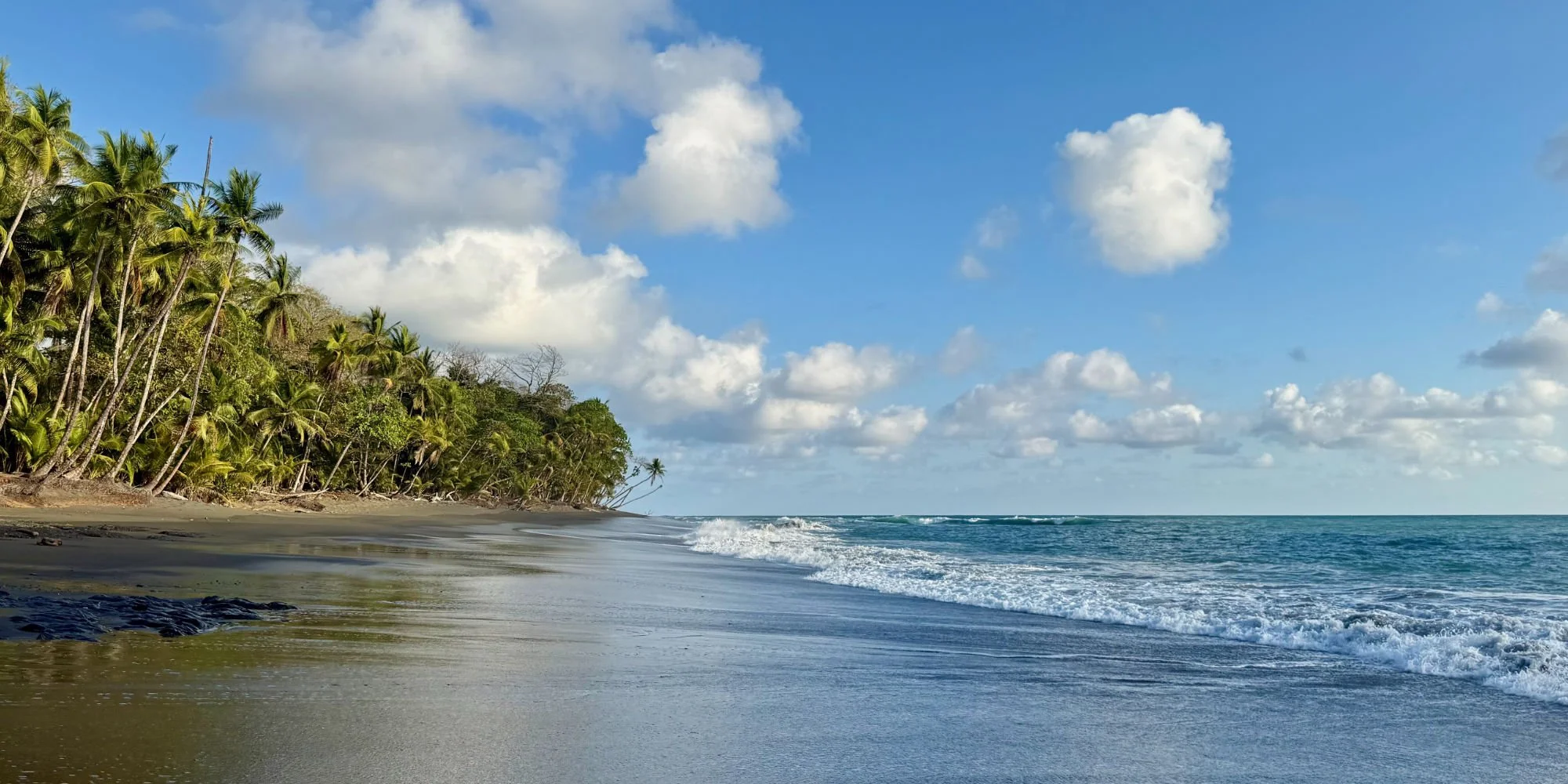
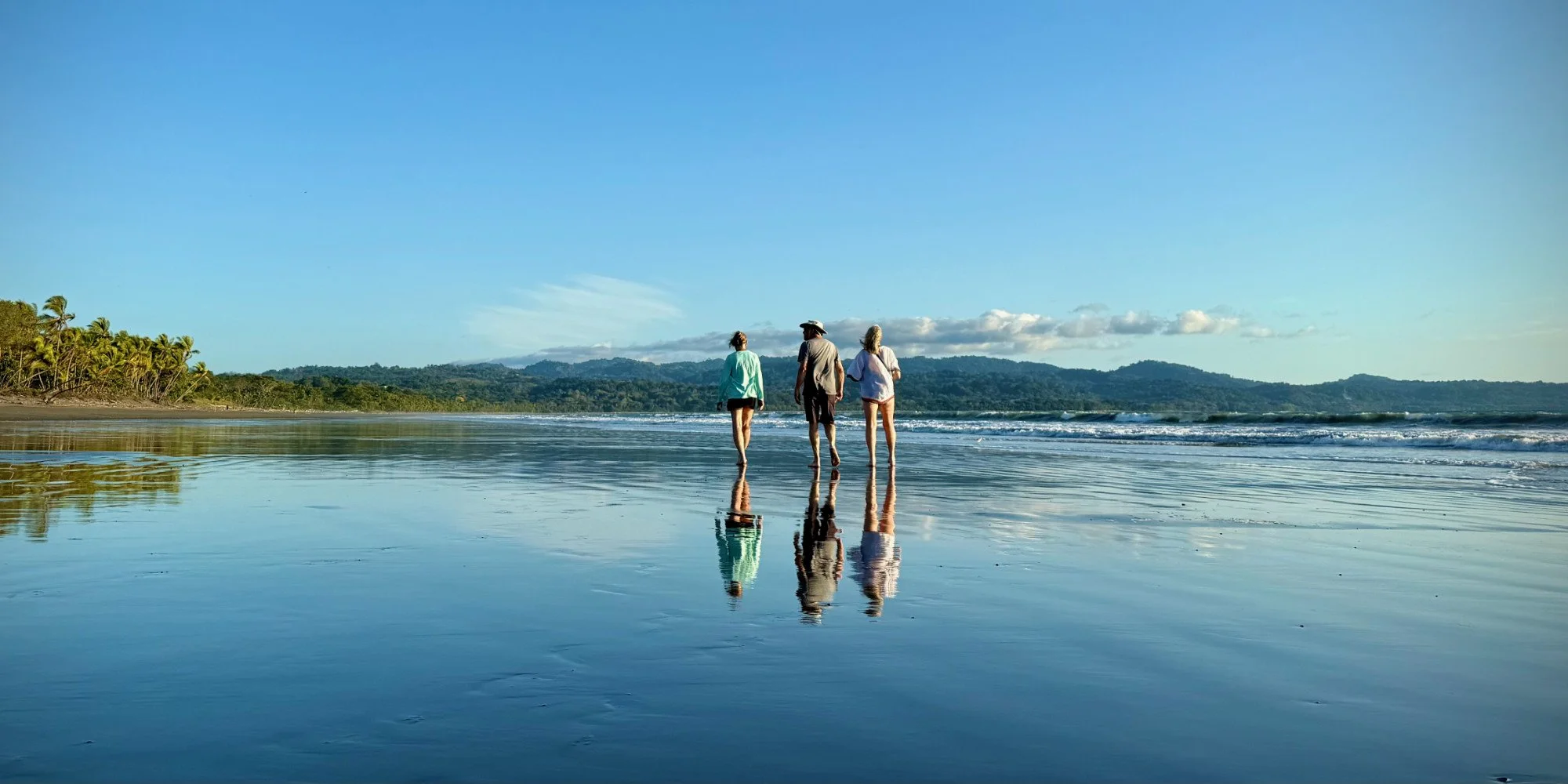
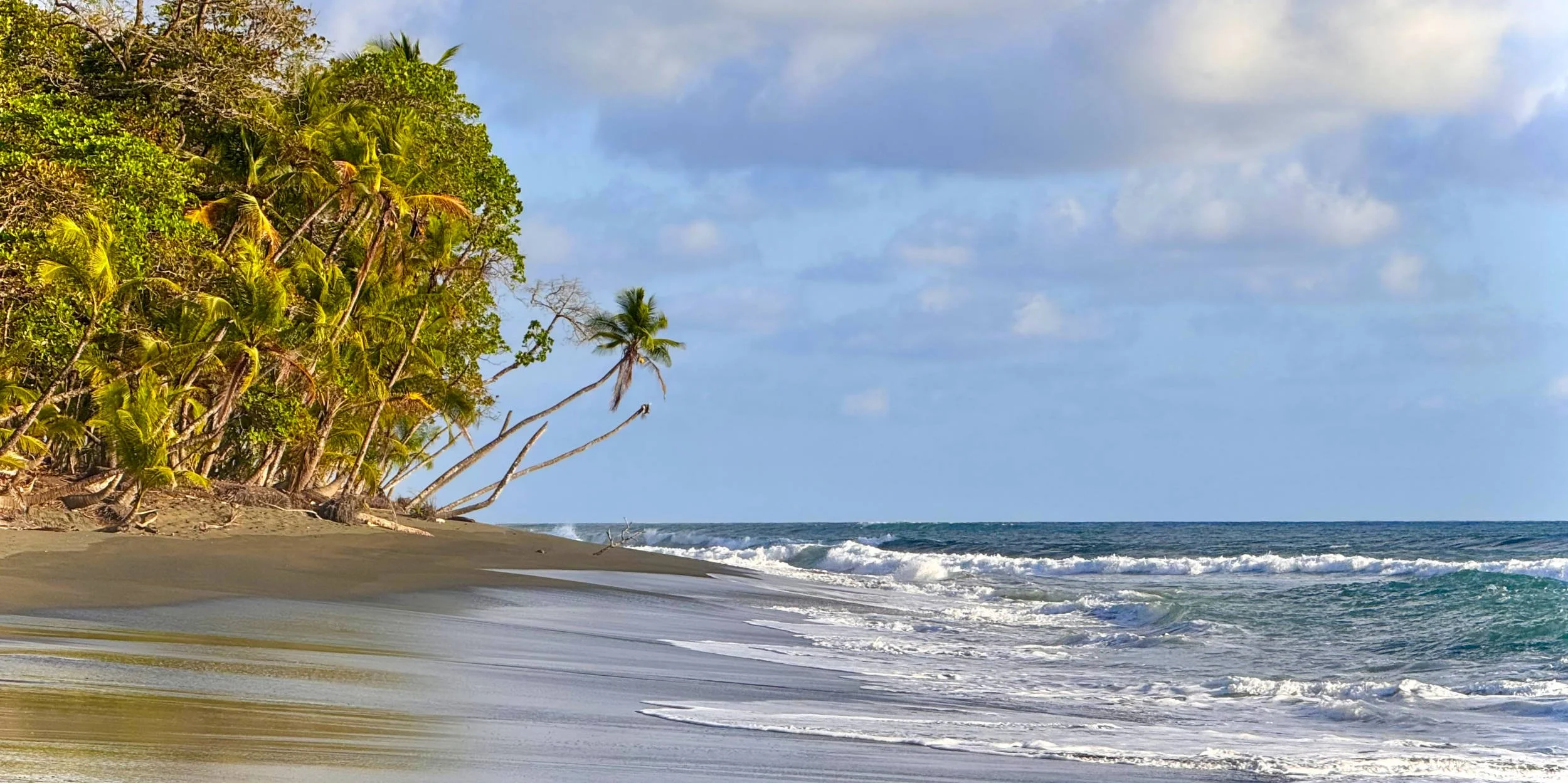
Strolled along black sand beaches lined with palm trees, that were completely devoid of humans but had plentiful shore birds such as curlews, pelicans, whimbrels, elegant terns and sanderlings to keep us company, while magnificent frigatebirds and black vultures soared overhead
Swam in the incredibly warm, cerulean Pacific Ocean while gazing back to a coastline of jungle-clad misty hills that stretches as far as the eye can see and all the way to Panama.
Took a private boat tour around the crystal clear Golfo Dulce among huge pods of playful dolphins (and whales during June-September)
Bought handcrafted products from friendly indigenous people in colourful artisan markets
Watched the fiery sun sink below the Corcovado national park on the horizon as a fittingly beautiful end to every day
Were lulled into blissful sleep by nightjars
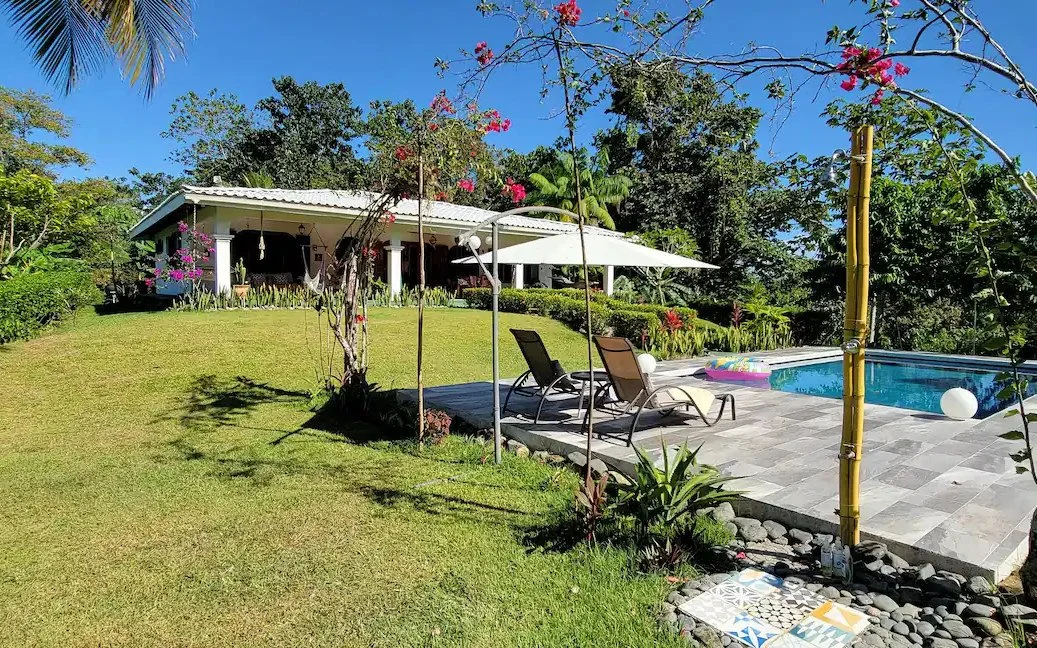
Casa Zenn
We were lucky enough to stay at Casa Zenn in La Virgen – without a doubt, the most amazing place we’ve ever stayed. Casa Zenn offers B&B and Airbnb rentals – get there if you possibly can, it’s just incredible. Their reviews say it all, but Casa Zenn offers pure luxury in the truest, non-glitzy sense and is very special indeed. The closest beach (a 10-minute drive from Casa Zenn) is Playa Langostino - it stretches for miles and is a great place to walk and watch the sunset, but it is too rough for swimming. Two howler monkeys swung over our heads on one visit – they’re not often seen, so it was a real treat.
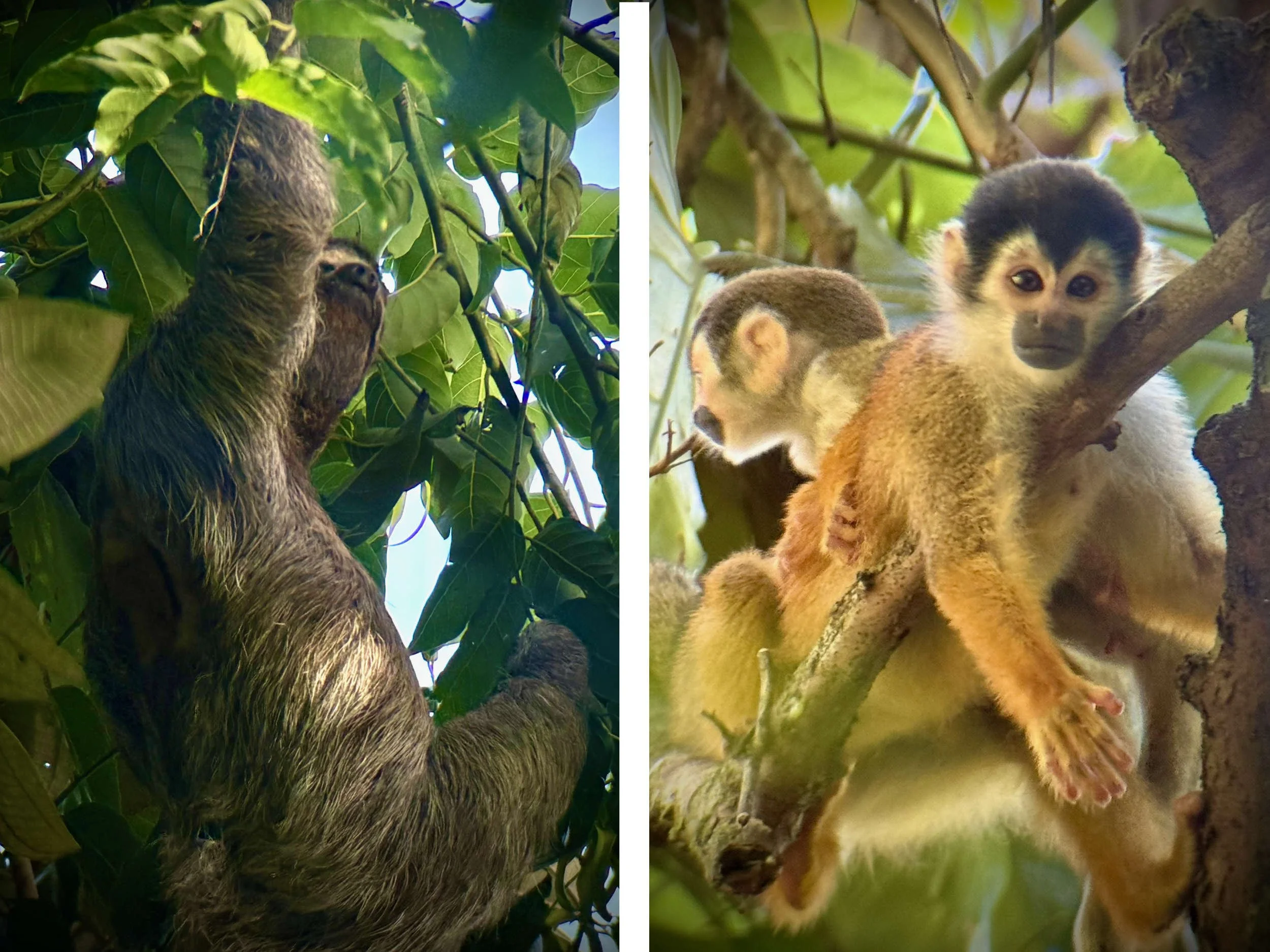
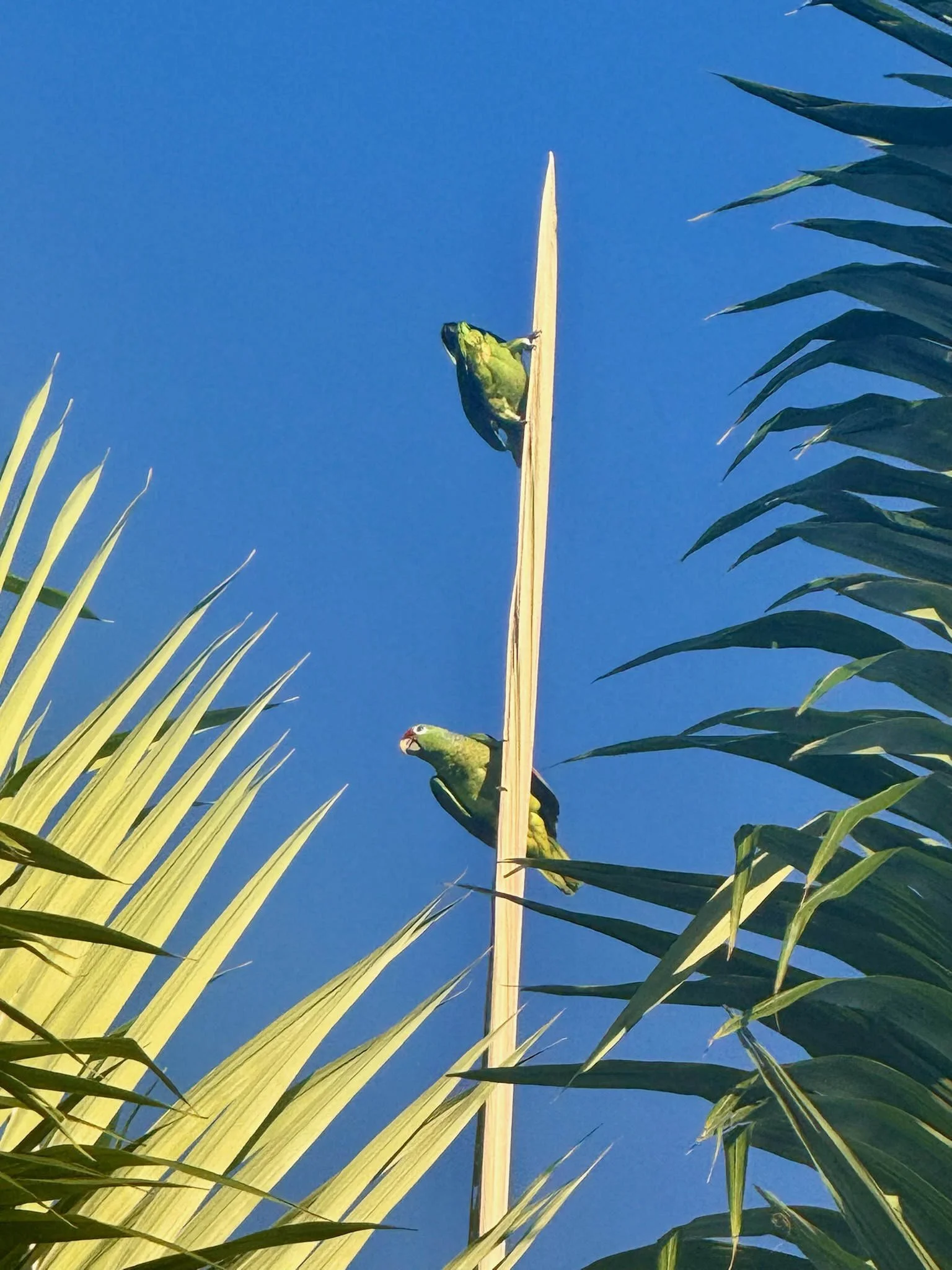
Visitors to the garden at Casa Zenn
We swam in the incredibly warm, cerulean Pacific Ocean while gazing back to a coastline of jungle-clad, misty hills that stretches as far as the eye can see...
Golfito
Golfito, the only port on the stunning Golfo Dulce, was far more appealing than we expected, but had a massive dichotomy of wealth, from Jeff Bezos’s mega yacht ‘Koru’ (and associated support vessels) moored at the Golfito Marina, to ramshackle Tico settlements with barred windows and verandas, where people are obviously really struggling since Chiquita closed down its Golfito banana hub in 1985. We didn't visit the Duty-Free shopping centre, so we can’t comment on that, but it didn't look appealing from the outside!
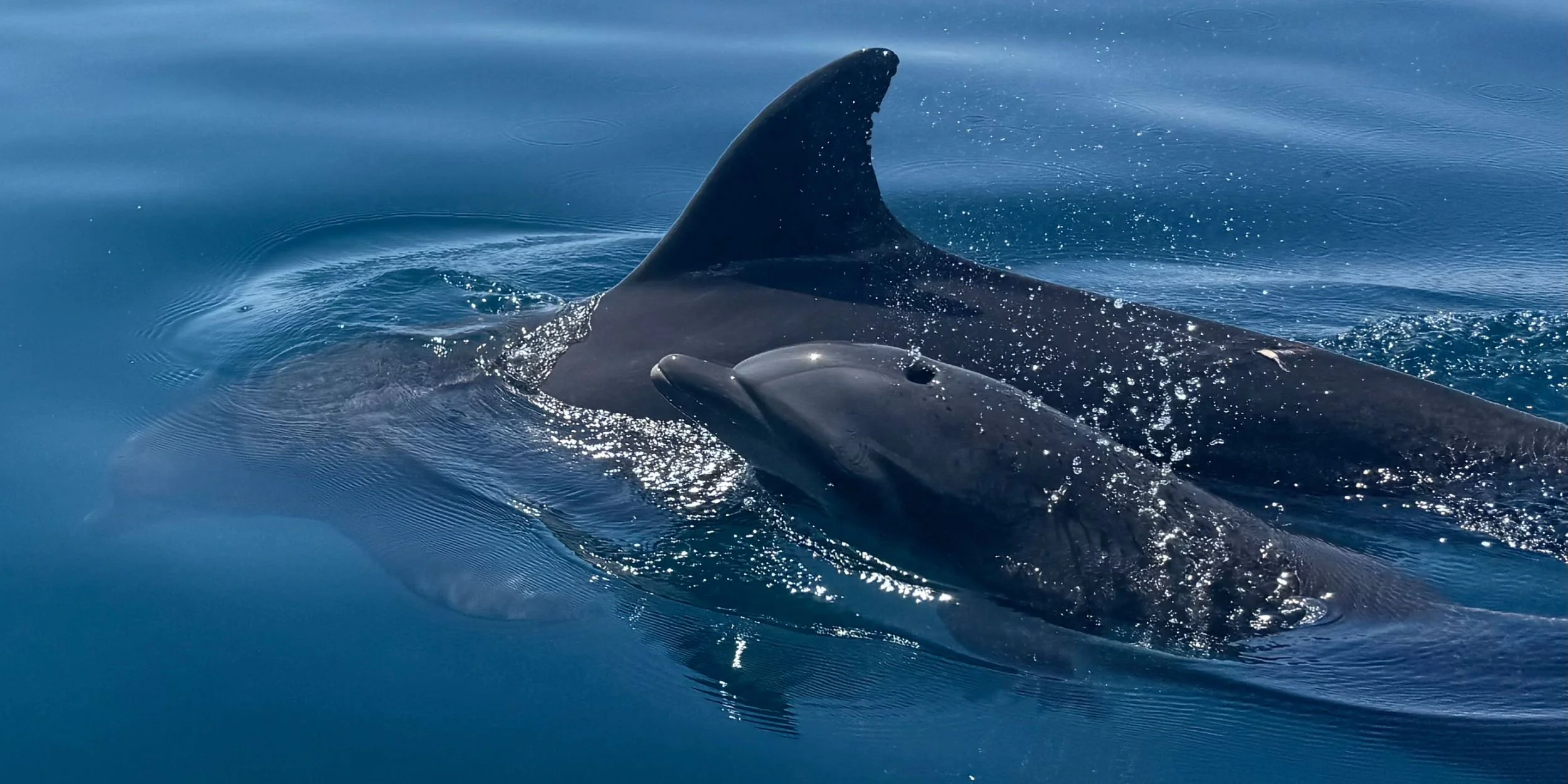
Bottle-nosed Dolphins in Golfo Dulce
We’d definitely recommend a tour on the Golfo Dulce with Changing Tide Tours, though – they leave from the marina at Golfito. Our tour with Phoebe certainly lived up to her promise of ‘an experience of a lifetime’ – the memory of drifting on an azure sea among a pod of 300+ Bottlenose and Pan-Tropical Spotted dolphins, and watching dolphin Mums feed their calves while scarlet macaws screeched high above on the rugged coast of Piedras Blancas National Park, will remain with us forever. Changing Tide Tours is certified by the World Cretacean Alliance; Golfo Dulce is one of the most unique and diverse marine ecosystems on the planet, and Piedras Blancas is the least-visited national park in Costa Rica. Get there before it changes!
Playa Zancudo
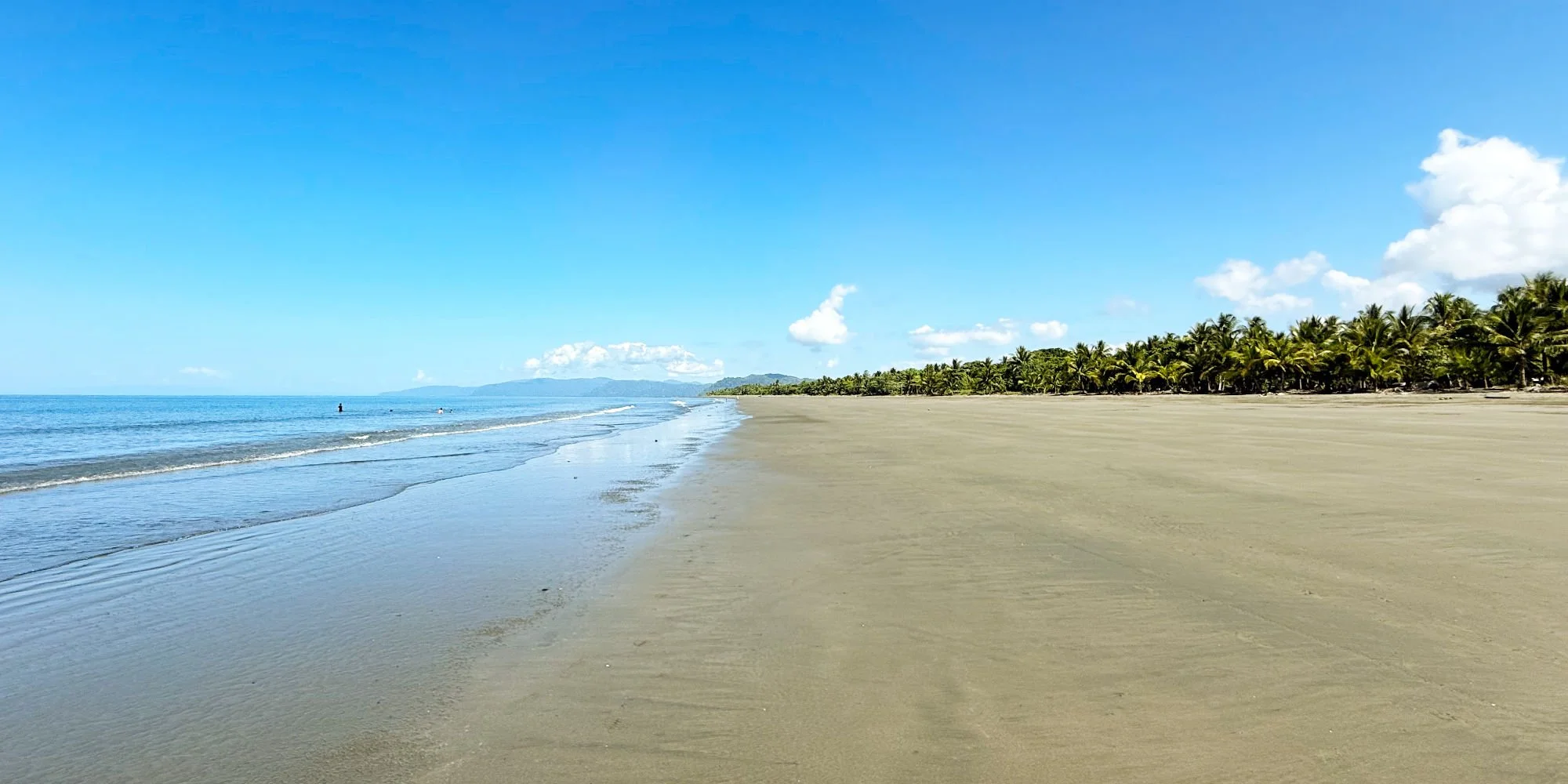
Playa Zancudo stretches for miles along a long sand peninsula – basically consisting of colourful holiday homes set back from the beach on large plots, and a few beach bars and restaurants. Playa Zancudo is the only place in the area where you can safely swim – it (and other beaches) are popular with Tico families on Sundays enjoying their day off, but for the rest of the week you’re unlikely to see more than a handful of people. Zancudo means mosquito, but we didn't see any, and we decided it was the best place we’ve ever swum – including the Caribbean. The inland edge of the Zancudo peninsula consists of a small river where you can go on guided boat rides to explore the mangroves and ‘croc spot’.
Pavones
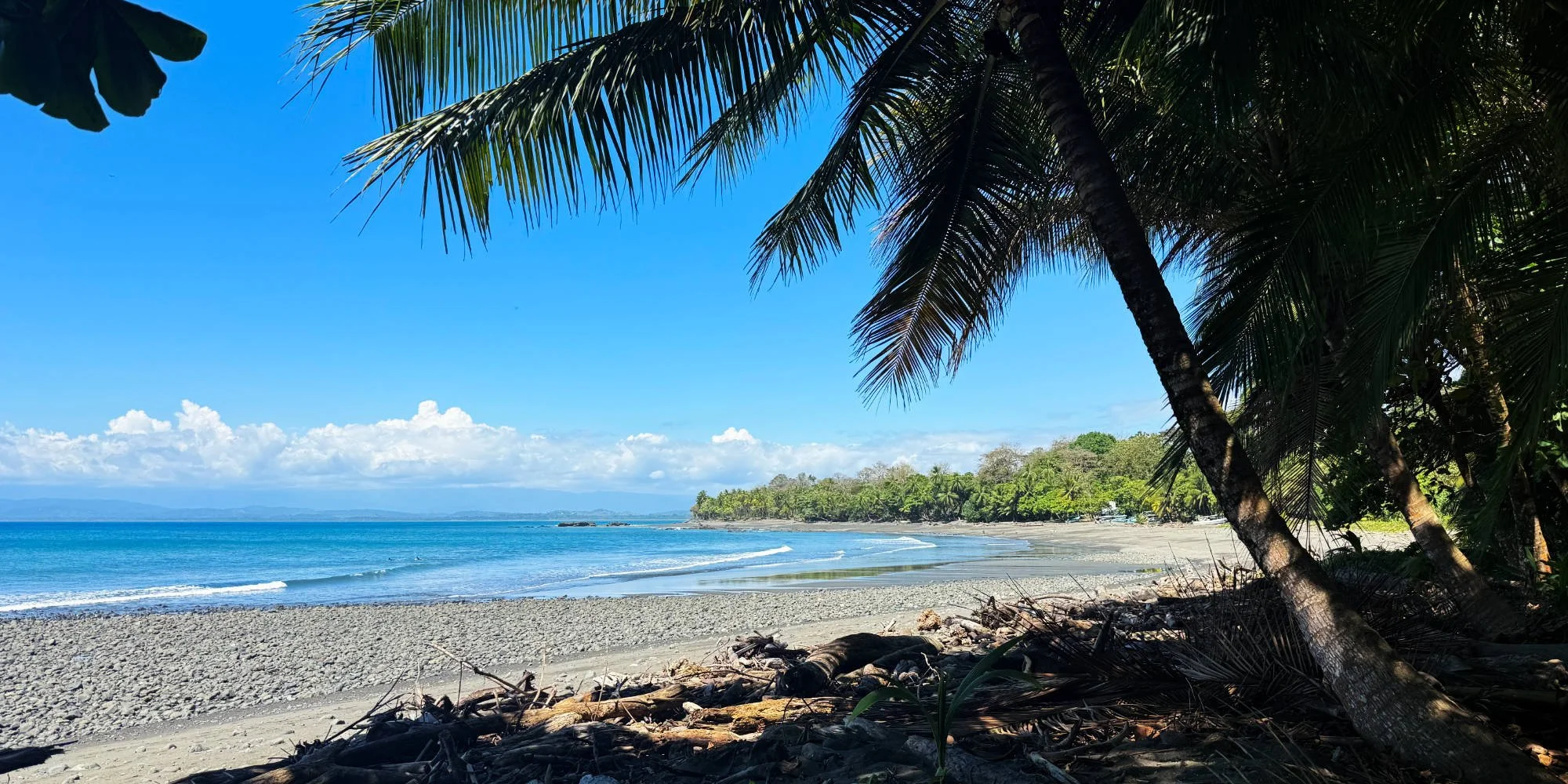
Pavones has the world’s second-longest left-hand surf break, which makes it famous among surfers, and the village (it’s not really a town, with just one small supermarket and a few simple bars/restaurants) has a real ‘surfer vibe’, even outside the main surf season of June-October. There’s a lovely small artisan market on Saturdays (10am-2pm) where talented people from indigenous groups, Ticos and gringos/ex-pats ply their wares in a stunning setting overlooking the Pacific. Well worth a trip, especially given that other shopping opportunities in the area are limited to the local ‘pulperias’ (‘corner shops’ identified by yellow Imperial beer signs) and buying beautiful local fresh fruit, veg and eggs from growers’ vans (a delightful experience)
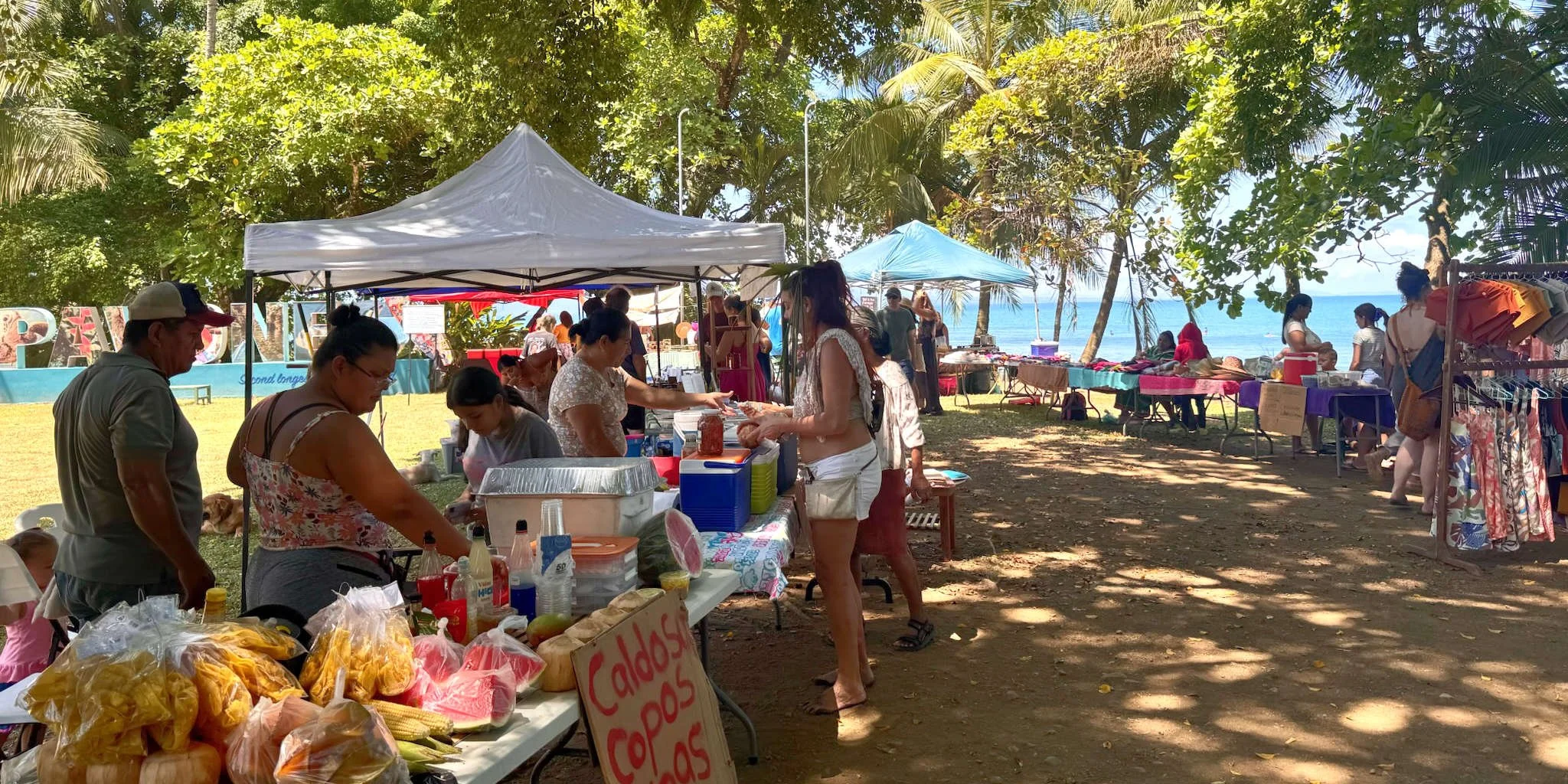
Pavones market
Punta Banca
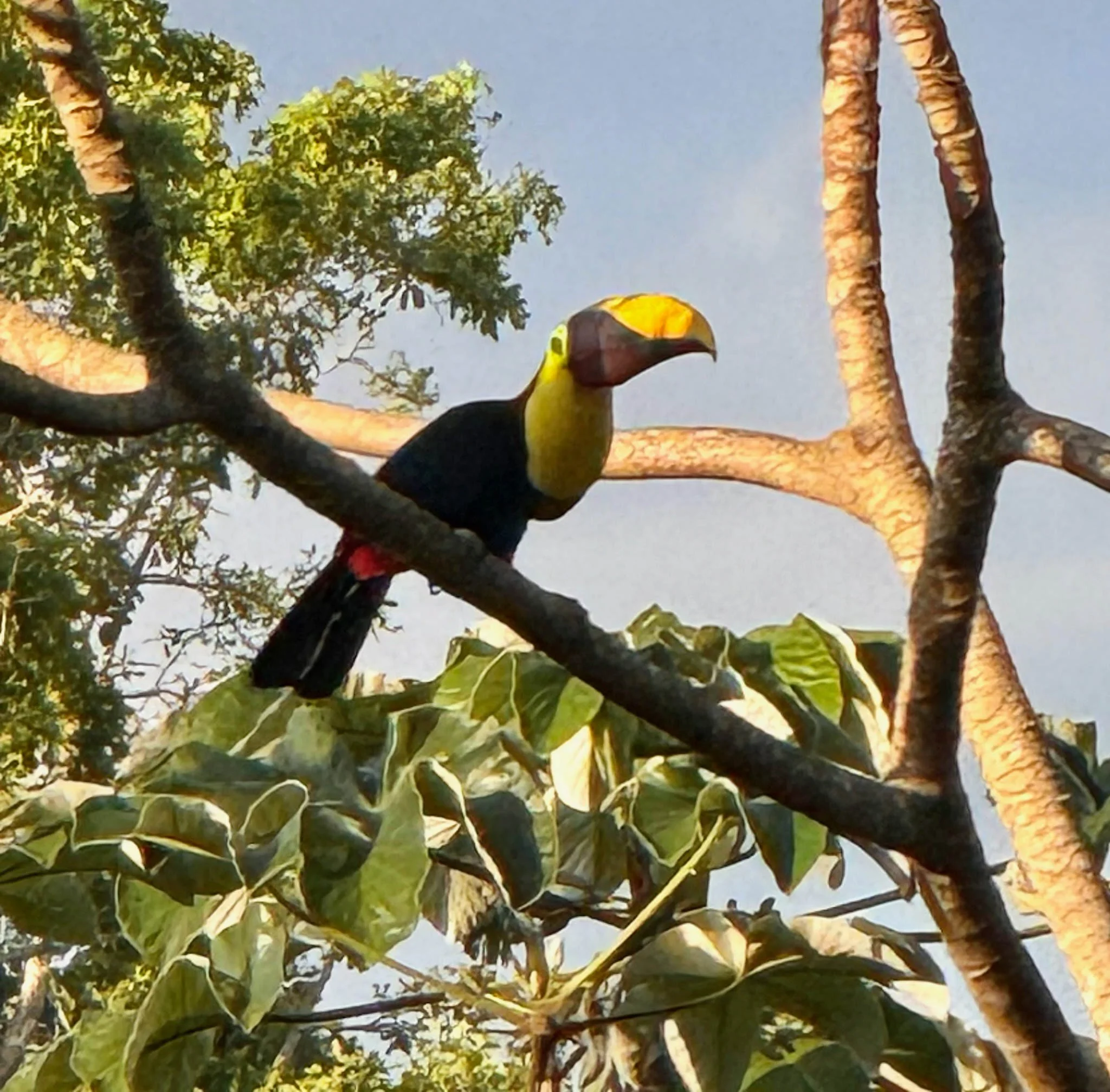
The tiny village of Punta Banca lies between Pavones and the impenetrable rainforest that leads up to the Panama border. Go there to experience raw, unspoiled nature - it is exceptionally beautiful and our favourite place on a very special trip. Go at low tide so you can explore the rock pools – we were amazed by tens of thousands of hermit crabs scuttling around. We had a delicious seafood lunch at Restaurante Brisas del Mar – a family-run roadside shack where we were the only customers and everything was made (possibly caught!) to order. We waited happily, listening to Bob Marley and watching the surf through the palm trees. The peace was only ‘shattered’ by 8 scarlet macaws flying overhead and the mournful calls of toucans in the rainforest behind us.
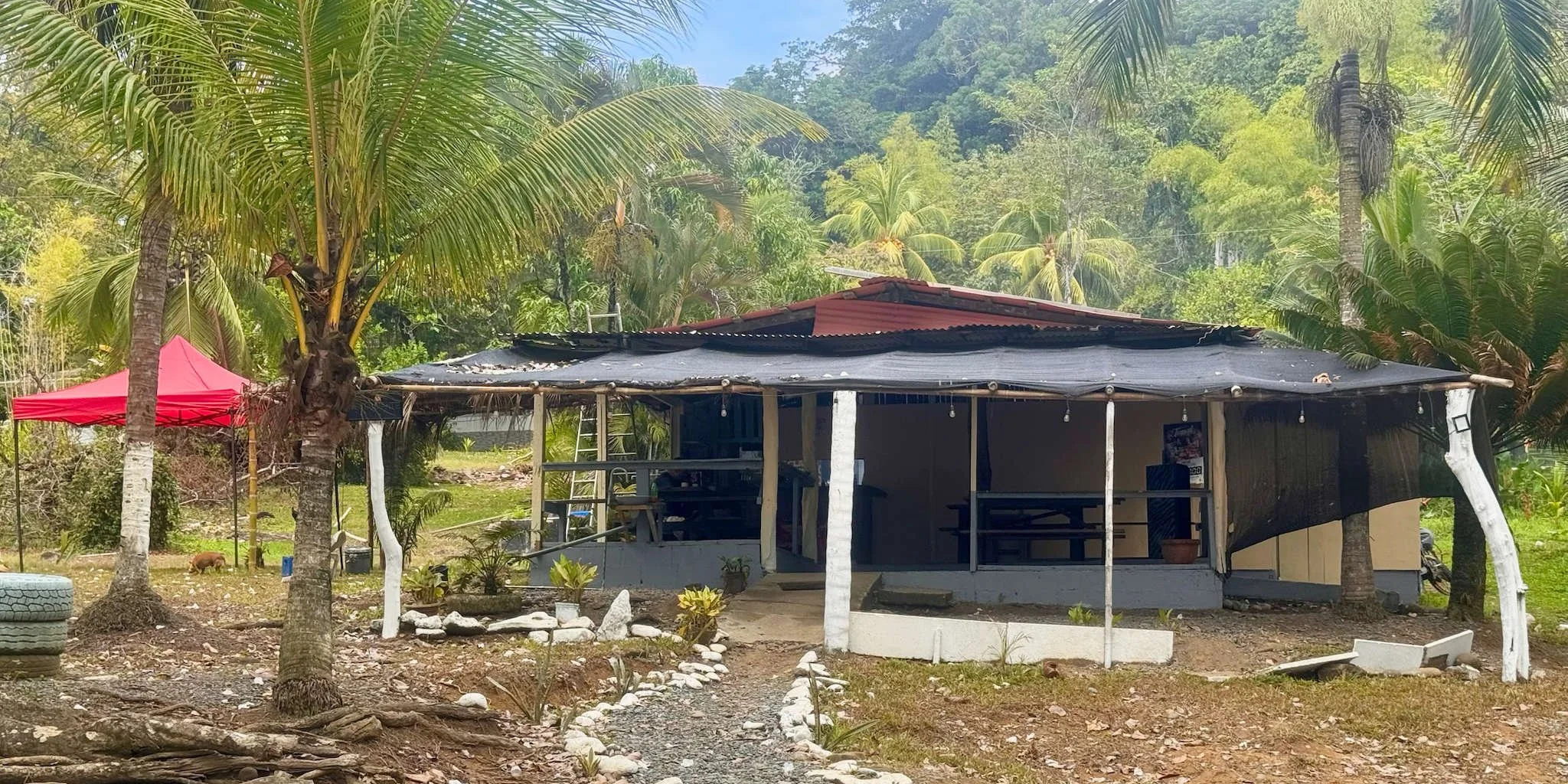
Restaurante Brisas del Mar
Is Costa Rica’s Southern Pacific coast worth visiting?
So is it worth making the long journey to this remote corner of Costa Rica? Most definitely, yes!! But only if you’re passionate about nature and want to ‘travel’ rather than ‘go on holiday’. It’s deeply authentic Costa Rica, where luxury lies in experiences rather than things; where wildlife is plentiful, people are friendly, and where special memories are made that will linger forever.
As nature lovers ourselves, we don't think we will ever go anywhere better.
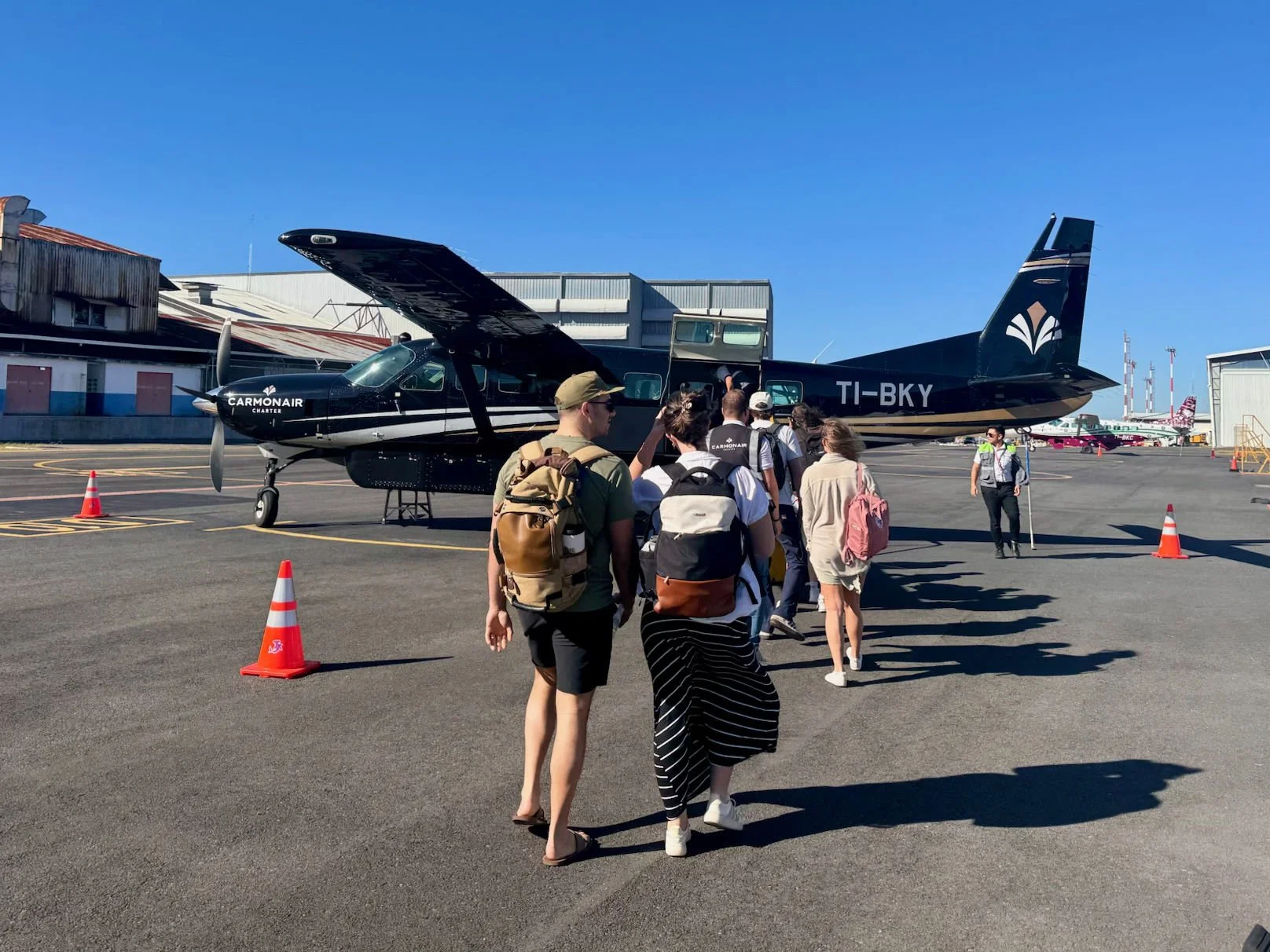
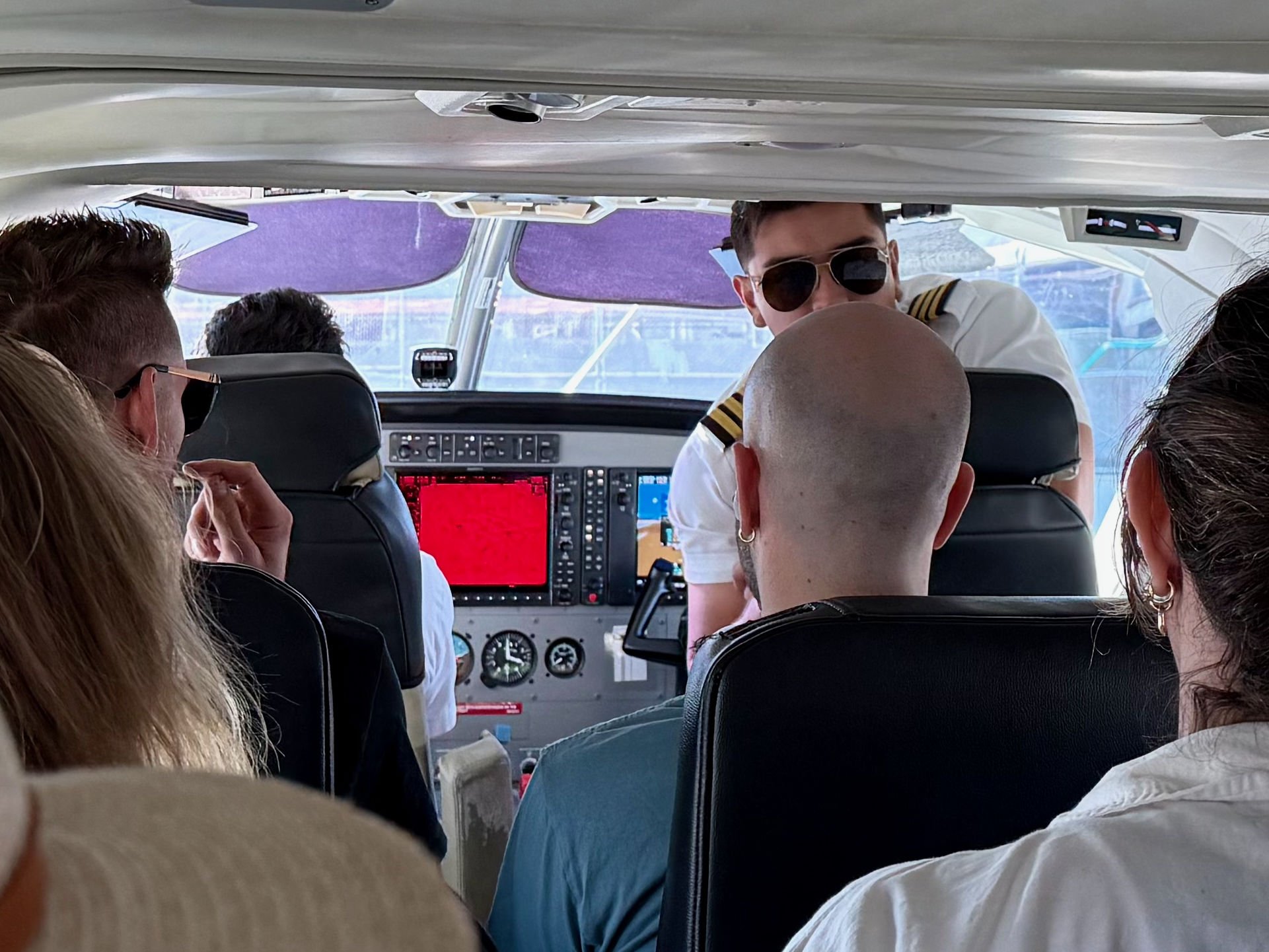
How to get to the Southern Pacific coast of Costa Rica
Getting to the Golfito area from further north in Costa Rica either involves a long car or bus journey, or an hour’s domestic flight to Golfito from San Jose on Sansa or Costa Rica Green Airways. We flew both and they’re very similar. We’d strongly recommend flying if possible (depending on where you’re coming from) – the planes are tiny and the views spectacular. You can also catch a water taxi to Golfito from Puerto Jiminez on the Osa Peninsula. Once at Golfito, you then face at least a further hour’s drive to the main villages of Playa Zancudo and Pavones, and to Casa Zenn.
Once there, you can catch a water taxi from Playa Zancudo to Golfito, which is a short hop and would be handy for day trips.
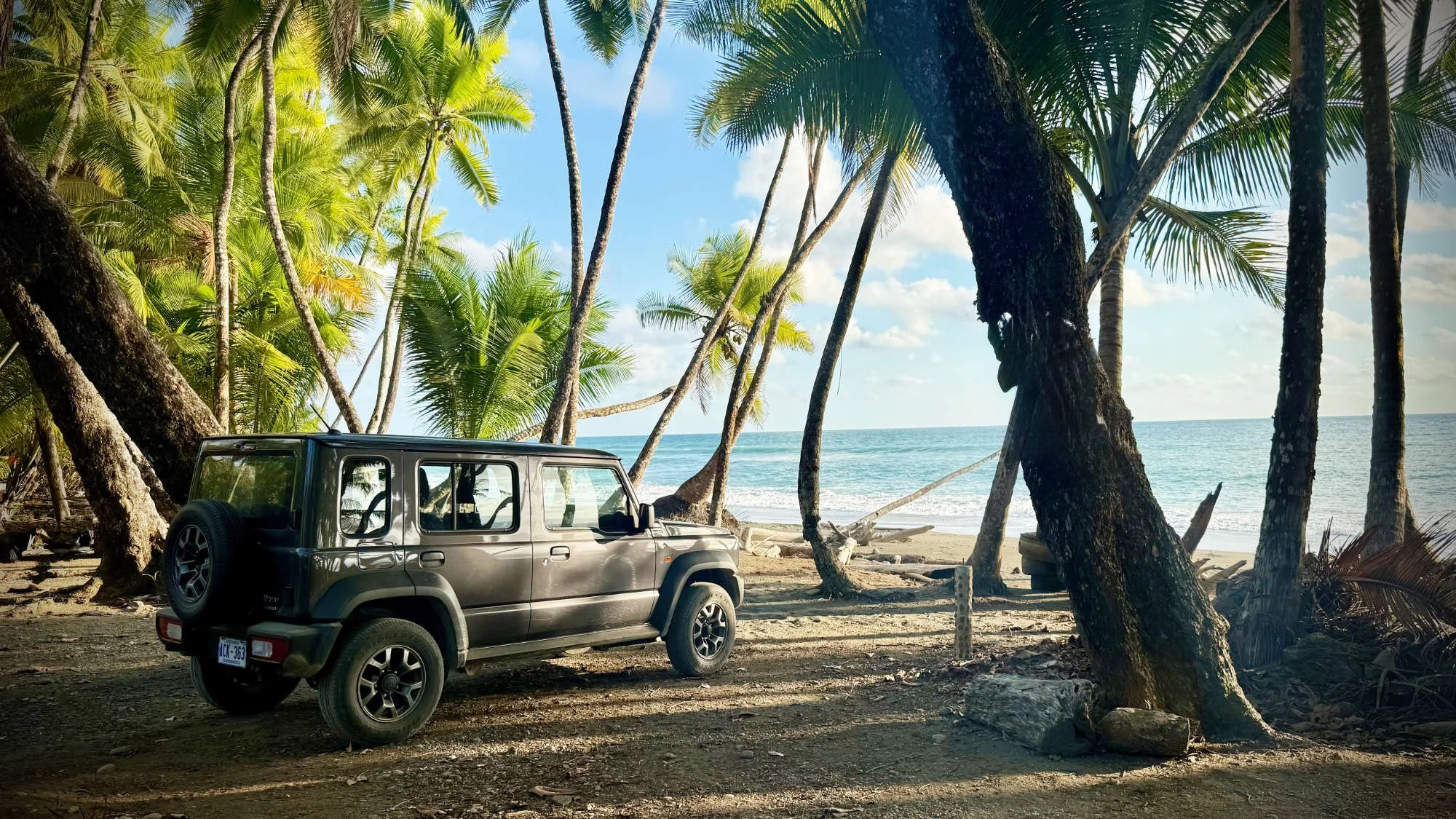
But plan your travel in advance, hire a high clearance vehicle (4WD in the wet season) and don't assume anything – the usual tourist infrastructure doesn't exist in this area, which is what makes it so incredibly special.
You might also like…


Take the ferry boat to Alaska for an adventurous, sustainable alternative to a cruise. As a mode of public transport, the ferries provide a lifeline to small communities not connected by roads or served by major airports. They are not intended to compete with the big cruise lines for tourist dollars, but deliver big views on a budget.