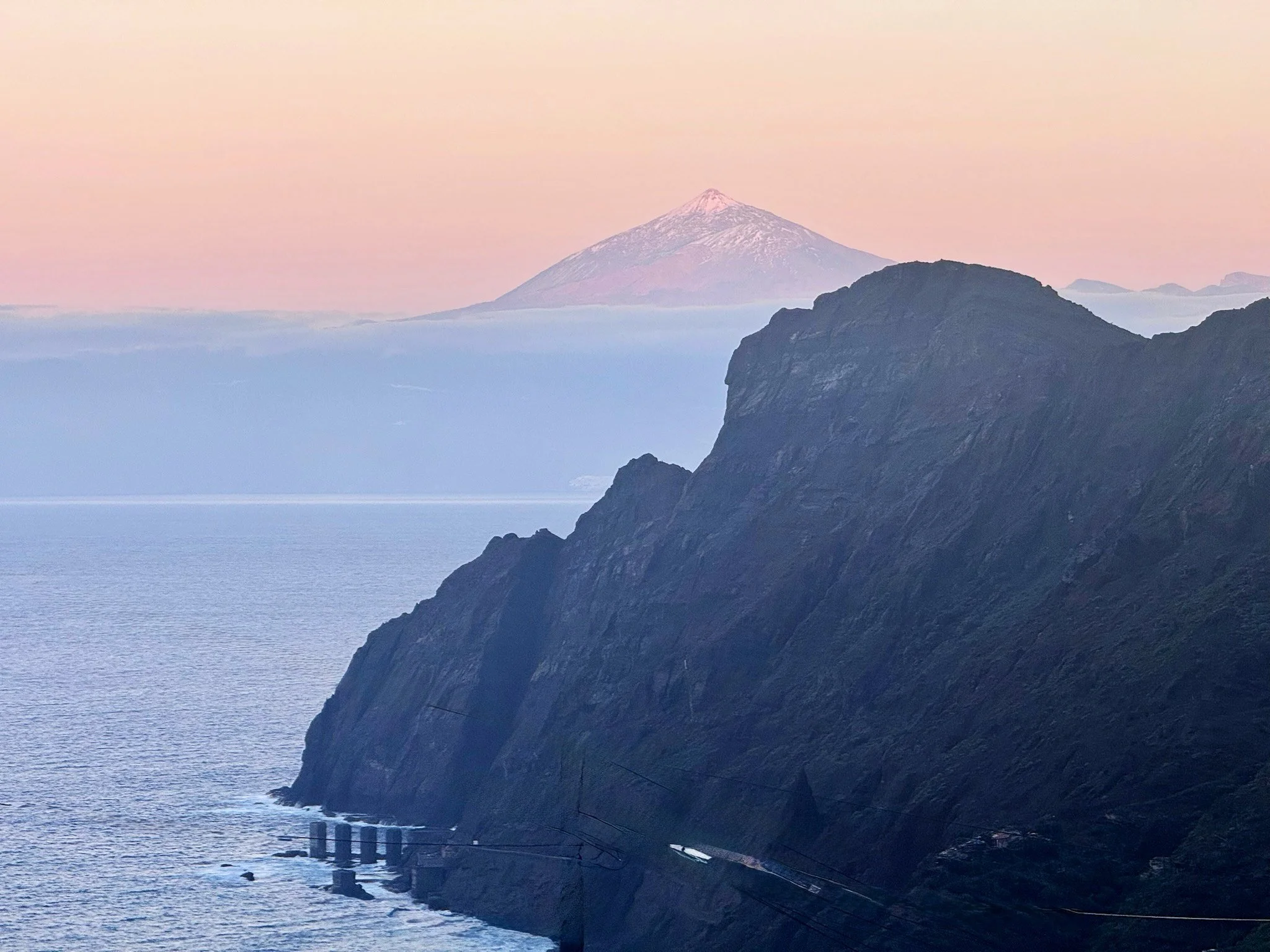
La Gomera, the magical Canary Island – but learn from our mistakes!
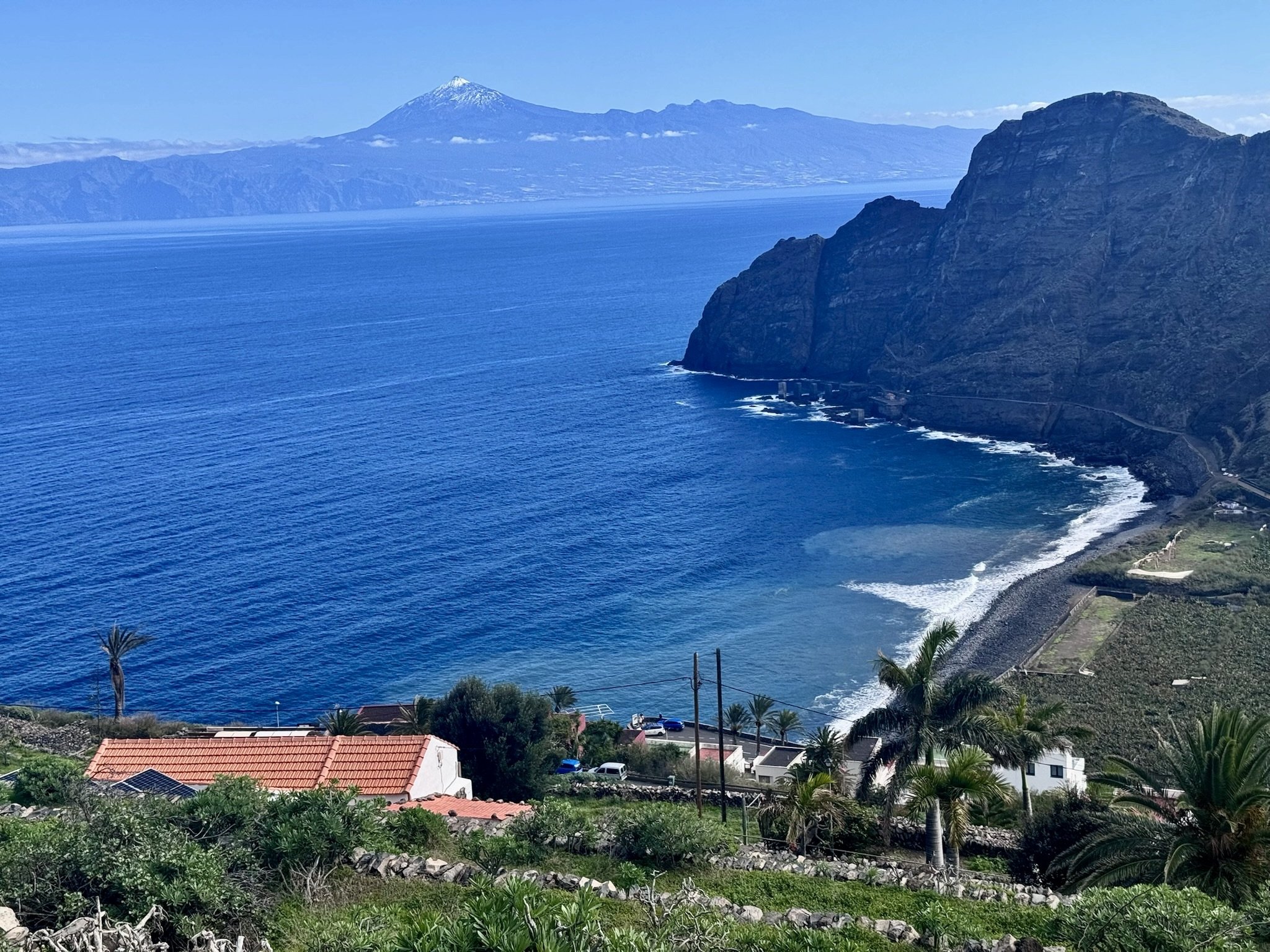
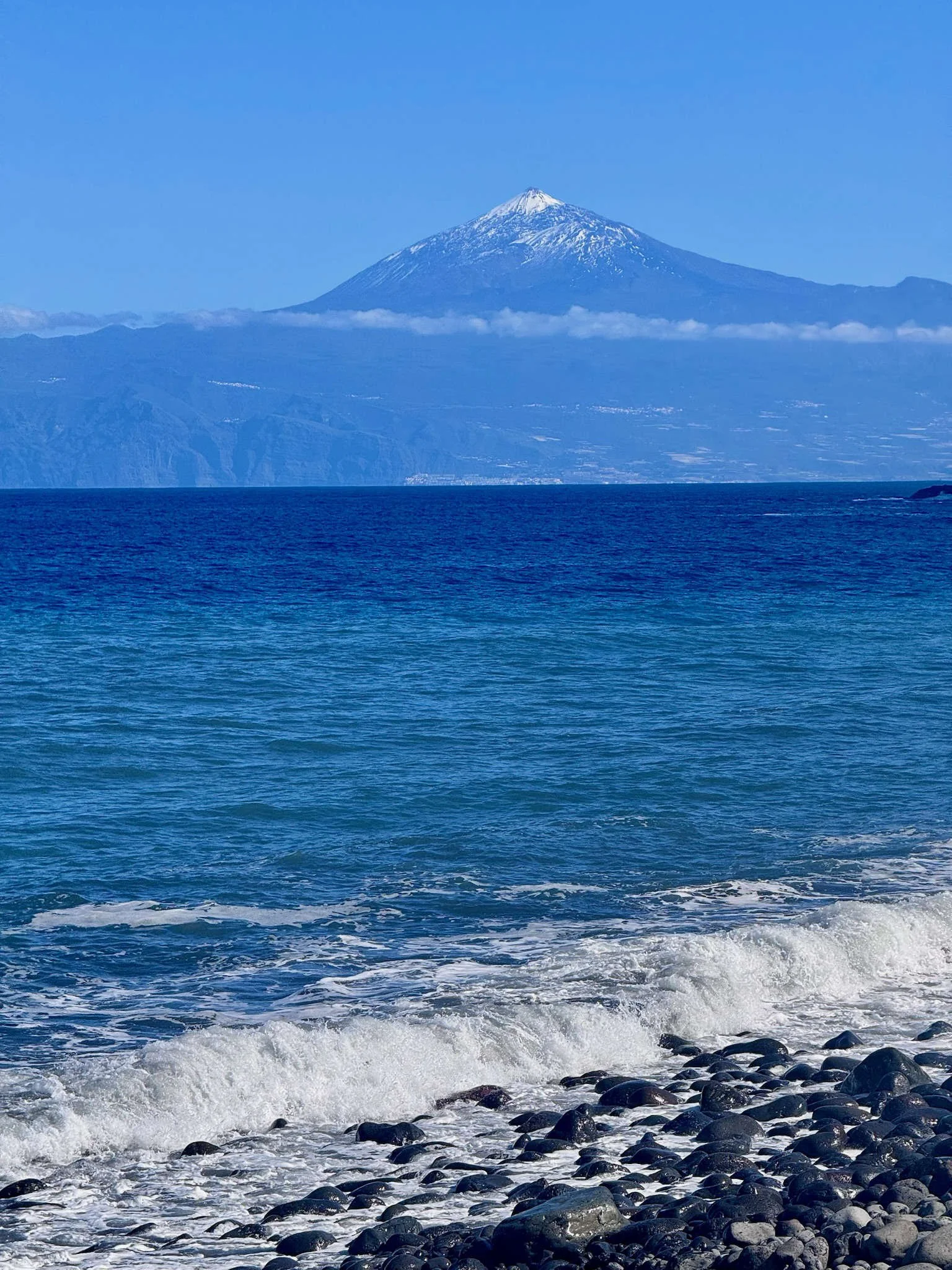
View from Hermigua, La Gomera, to snow-capped Mount Teide, Tenerife
La Gomera: The Canary Island for hikers and nature lovers - but do your research before you go!
La Gomera, the jewel of the Canary Islands
I’d never even heard of La Gomera before searching for a winter sun break with my friend Helen. Neither of us fancied the main Canary Islands (too developed for us), but then we found La Gomera – a Biosphere Reserve since 2012 and a 50-minute ferry from Tenerife. So we merrily booked our girls’ trip for January ‘26 without further ado, or research!
We arrived at Tenerife South airport with our bags (cabin bags only, I hasten to add) full of shorts (me), sundresses (Helen), T-shirts, books and sunscreen – planning a warm and sunny week of relaxing, exploring and generally escaping the UK’s January cold and gloom. It was easy to catch a €30 taxi from the airport to the ferry port and Tenerife tourist hub of Los Cristianos.
The ferry to La Gomera costs just under €40 each for Web+, which includes a ‘meal deal’ from the onboard café – a basic sandwich, snack and drink (can include a small beer). There are several ferries each day that travel between Tenerife and La Gomera, run by two companies: Fred Olsen and Armas. Both companies use huge high-speed catamarans to carry both foot passengers and vehicles - schedules can change last minute, so check their respective websites/apps the day before departure. You can book online beforehand to save queuing, or at the ticket office at the port – I can’t imagine they ever fill up, and if they do, there’ll be another one an hour or so later.
We were glad to escape the highly-developed south coast of Tenerife (endless high-rise apartment blocks set in a barren wasteland) and were excited to arrive in La Gomera at the small, cute port of San Sebastián – the main (indeed only) town on the island.
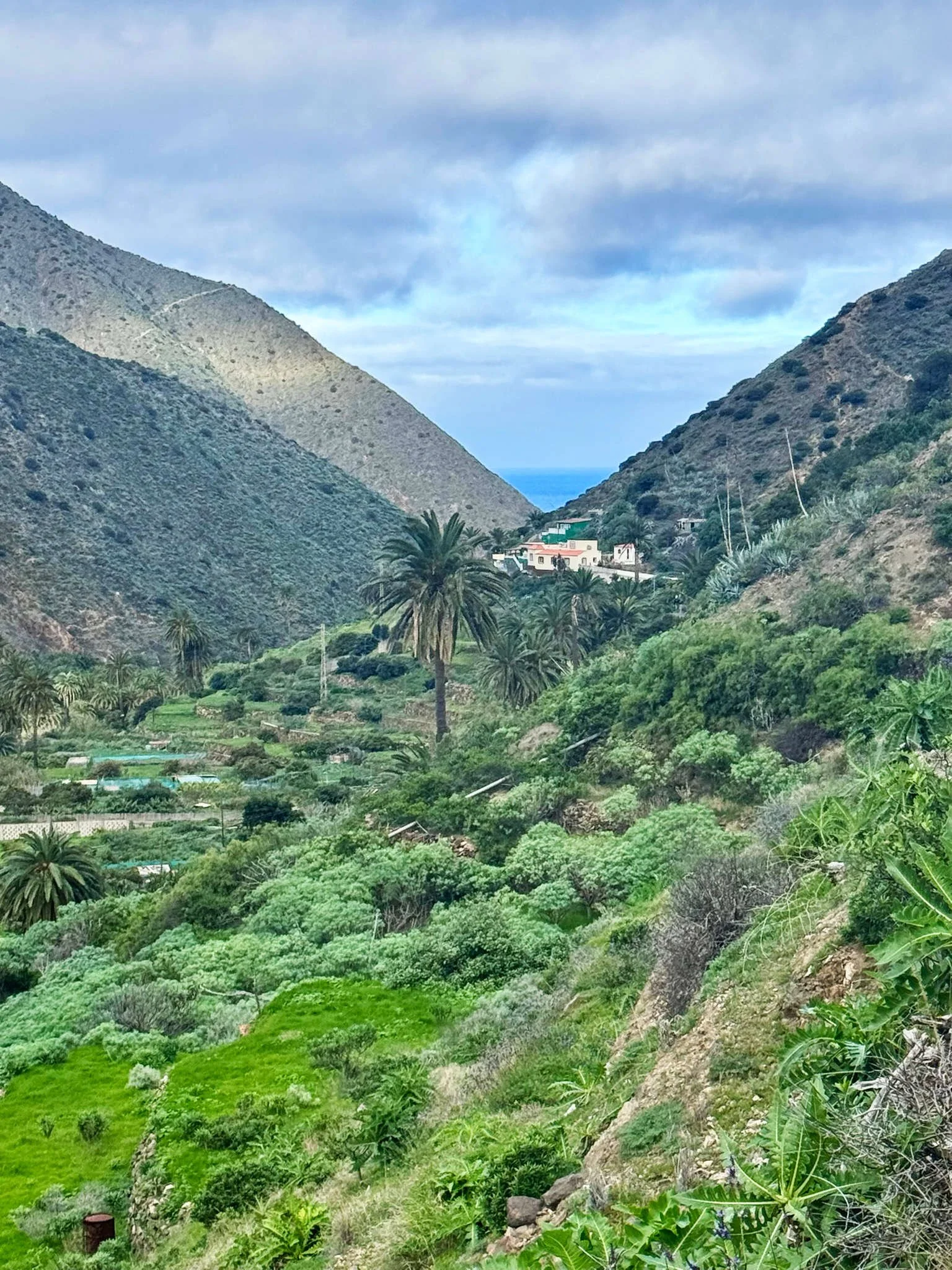
We rented a small car from GomeraCar (€300 for 8 days). Pick up was quick and easy (I’d registered online beforehand), and we set off into the mountains. And believe me, they are mountains – the drive from San Sebastián to Hermigua was absolutely breathtaking, as the road snaked its way among the towering, jagged peaks soaring high above us. The roads on La Gomera are excellent – wide, empty and well-maintained. You really do need a car, and I’d definitely recommend GomeraCar – we got a puncture one day, and they quickly came out and fixed it with neither fuss nor charge.
We rented this small self-catering cottage in Hermigua. The views from it were stunning – from the snow-capped Mount Teide on Tenerife to the jagged peaks of La Gomera, with the beautiful terraces and scattered houses of the Hermigua valley in between. We also appreciated the fresh oranges and bananas that Pedro, the owner, brought to us. However, the VRBO listing significantly exaggerates the size of both the inside of the cottage and of the outside area. When renting in the winter months, bear in mind it’s dark by 5 pm, so you need somewhere cosy and comfortable to spend your evenings – we managed to pull through with the aid of delicious Spanish wine and Manchego!
Hermigua is a fantastic place to base yourself on La Gomera, especially if you’re keen walkers and want to spend your days hiking. If you’re more interested in sunning yourself, then head south to Valle Gran Rey or Playa Santiago.
Which brings me on to something we wish we’d researched before we went: La Gomera's weather is extremely changeable, and the island has at least two microclimates: the north being cooler and wetter, whereas the south is generally warm and dry. The north is therefore lush and green, with amazing sub-tropical vegetation, and, in my view, is much more beautiful than the more arid south. BUT: on this trip, we wanted winter sun! The weather forecasts while we were there were completely unreliable (indeed, they were reliably wrong), and we found out that the advice from locals is that you need both a swimsuit and a winter coat with you at all times on La Gomera. Well, we only needed the latter and wore our ‘travel clothes’ all week - our shorts and swimsuits returned home completely unworn.
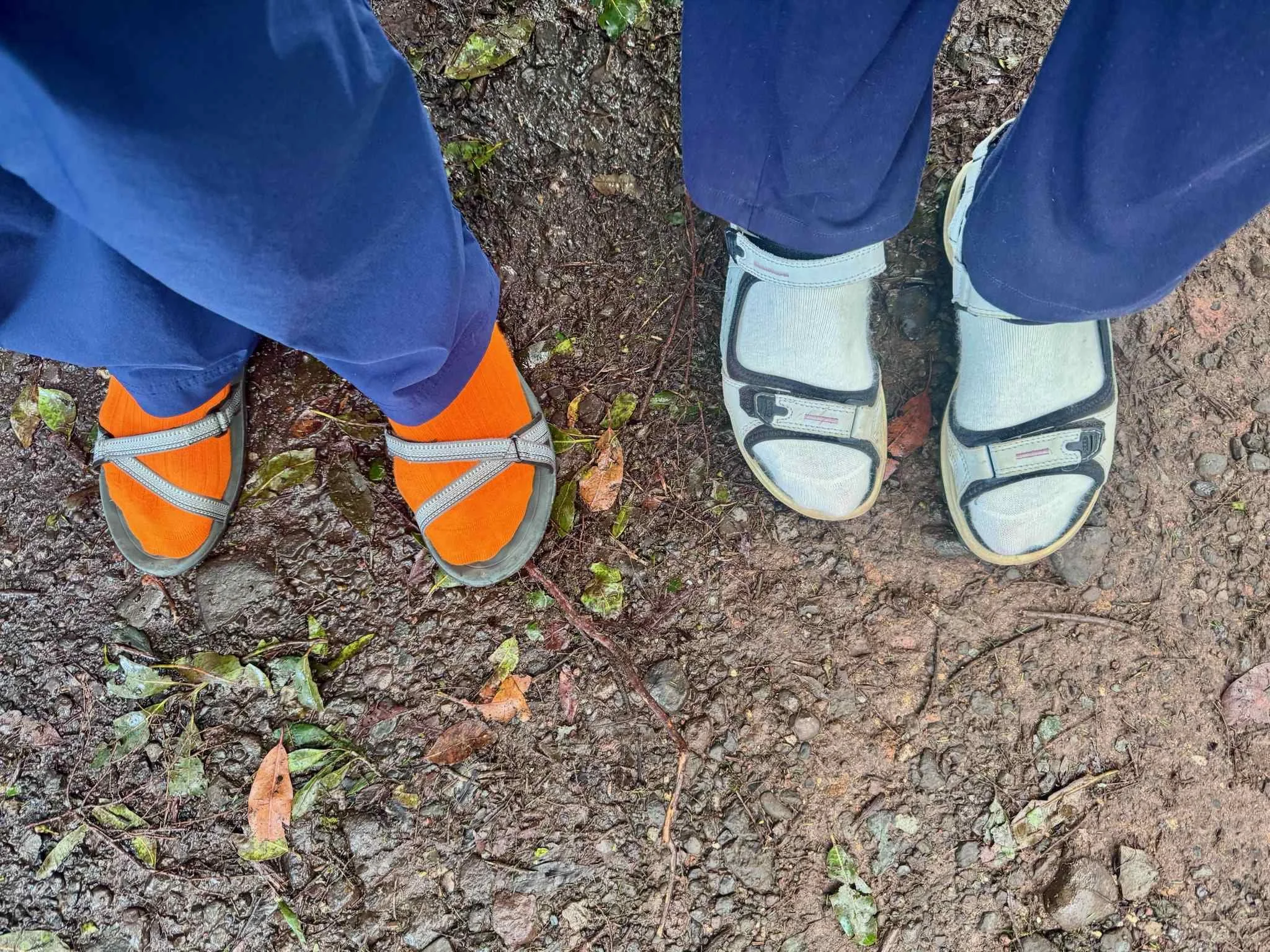
Socks and sandals for warmth! Fashionable but not for women of a certain age 😂
It would’ve been OK (but still cool) if we’d been hiking in appropriate clothing, including down jackets in the Garajonay National Park, which lies at around 1500m. We even had to leave La Gomera a day earlier than planned due to a wind warning that, as it turned out, resulted in an island-wide 15-hour power cut and ferry cancellations.
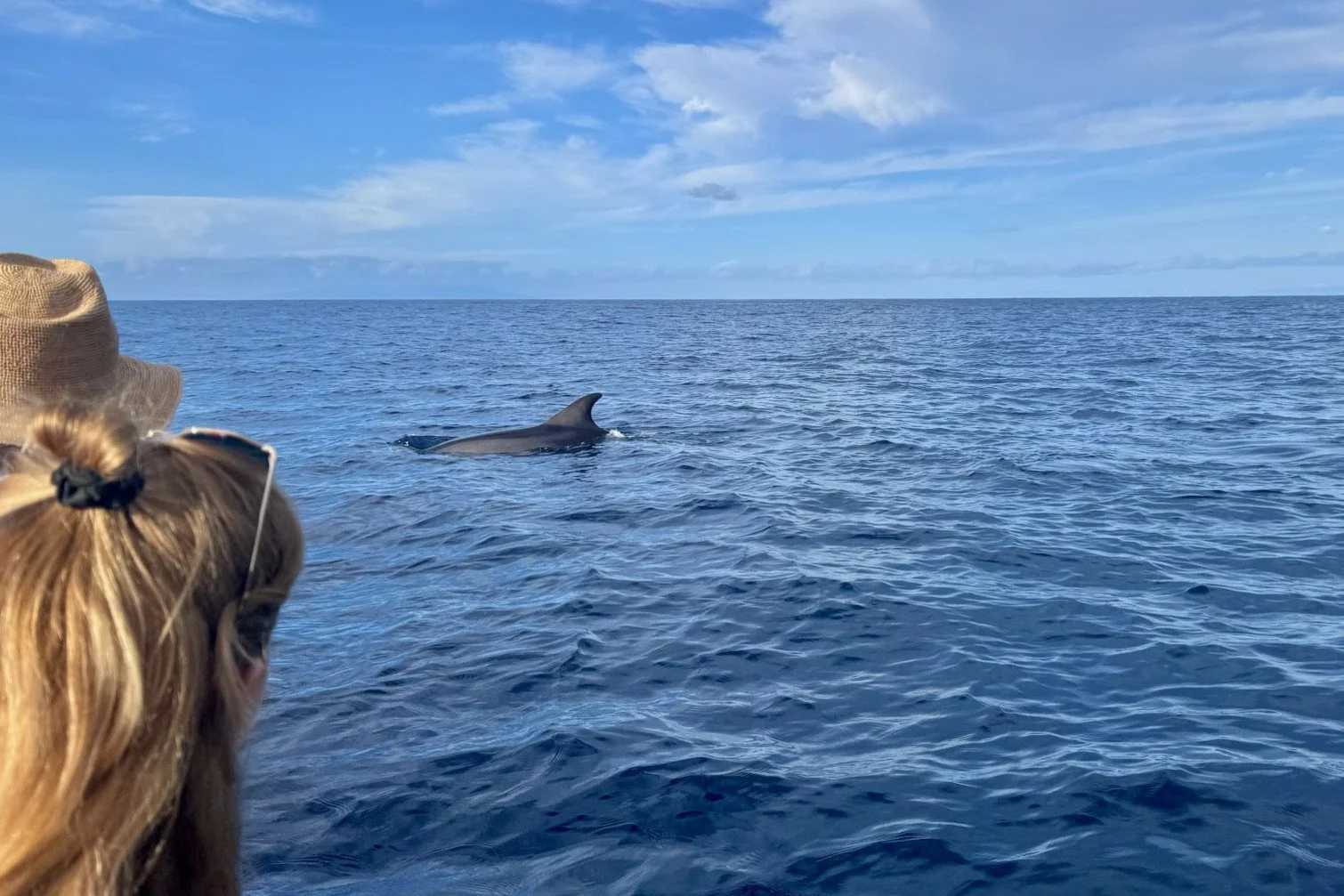
Bottle-nosed dolphin, La Gomera
Whale and dolphin watching
A highlight of our stay was a whale and dolphin watching trip with Oceano – we chose them because they are very ‘green’ and eco-friendly, take no more than 10 people out in their small, red, traditional wooden boat - and get top ratings on Google! They (and all similar tours) leave from Valle Gran Rey in the south of the island, because this is where whales and dolphins are most seen. We learned from Oceano that the number of whales and dolphins in the seas around the Canary Islands is heartbreakingly in real decline, due to a number of factors:
Overfishing resulting in less food for them
By-catch – whales and dolphins being ‘accidentally’ caught in fishing nets and lines
Pollution – especially toxic chemicals and plastic bags
Ocean noise (from a booming shipping industry, oil & gas exploration and seismic surveys)
The high-speed catamarans between the Canary Islands colliding with them and slicing them in two
The climate crisis (warmer seas reducing the numbers of the small fish they feed on)
But we were lucky enough to see several pods of resident bottlenose dolphins and at least six short-finned pilot whales - SO exciting!!
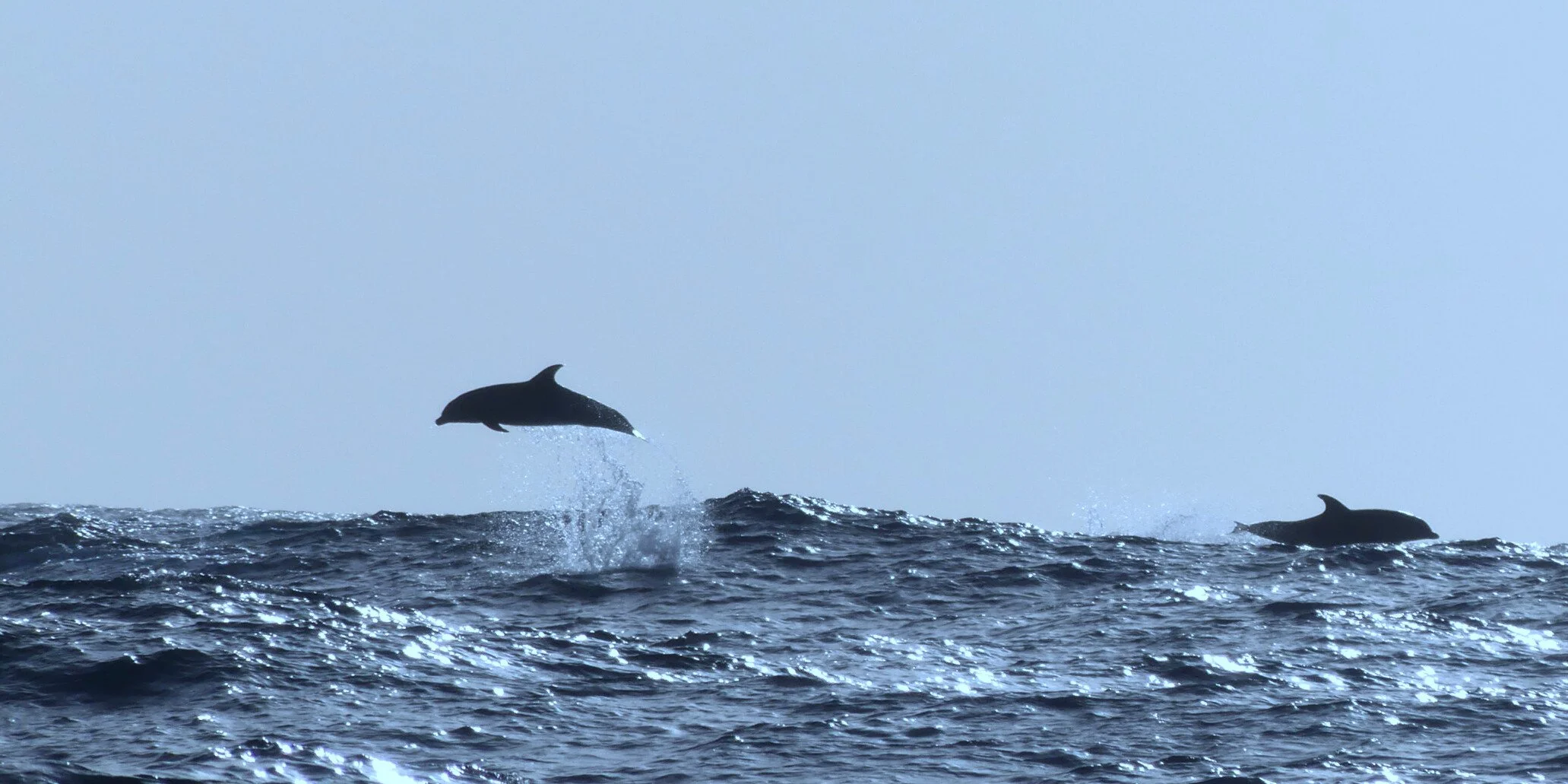
*Stock photo from the Oceano website - not mine!
The whales and dolphins came really close to the boat (the engine was turned off when we got close so as not to disturb them), and it was incredibly special to peacefully watch them, to hear them breathing, and also to hear the dolphins ‘talking’ to each other via the underwater microphone. Taking photos was extremely difficult due to choppy seas, so mine were terrible – apologies.
It was a very special experience indeed, and I’d highly recommend Oceano. Another warning though: you have to climb down (and up) a 4-5m vertical ladder between the pier and boat - it requires courage and strength!
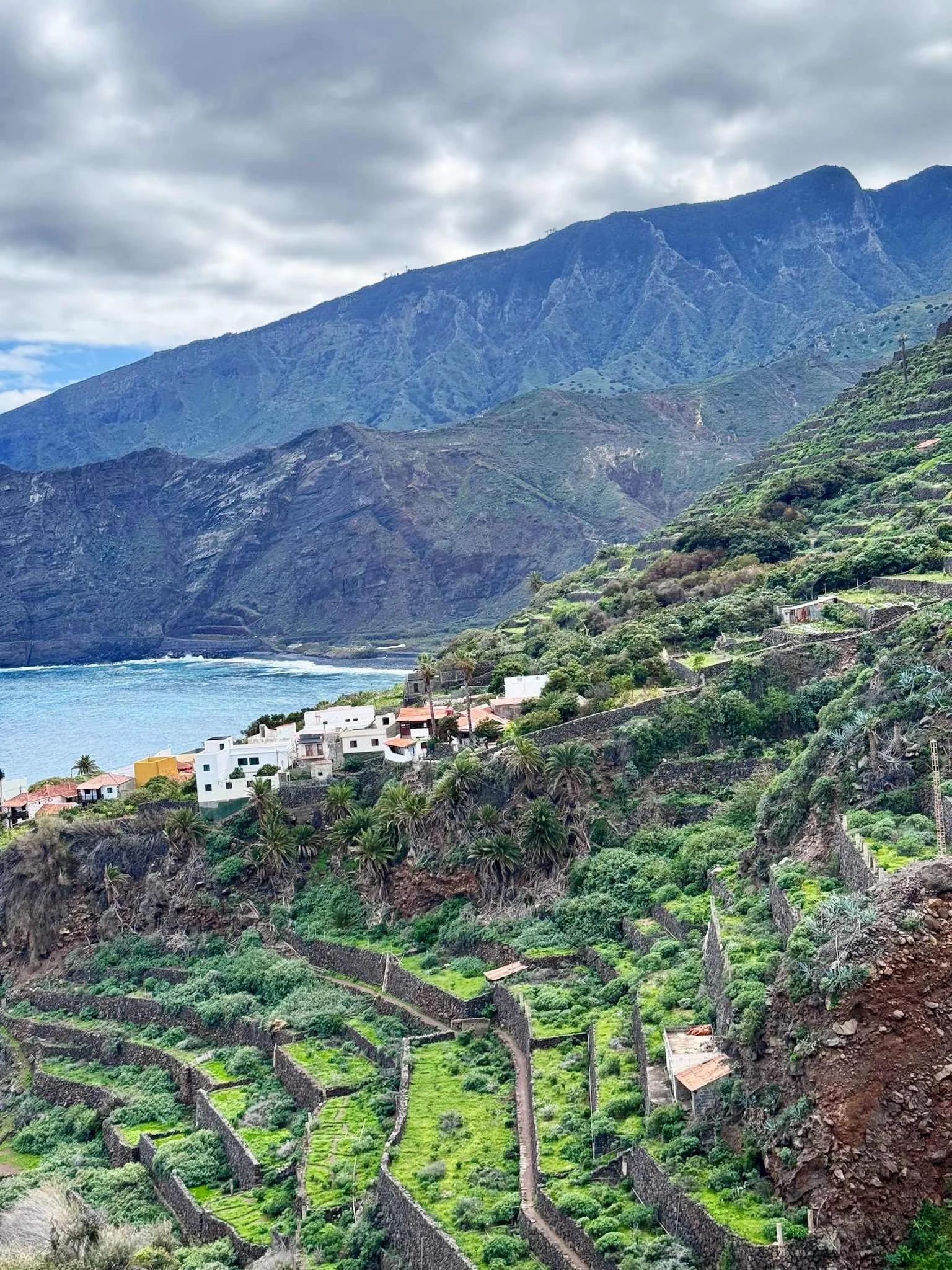
Lepe, La Gomera

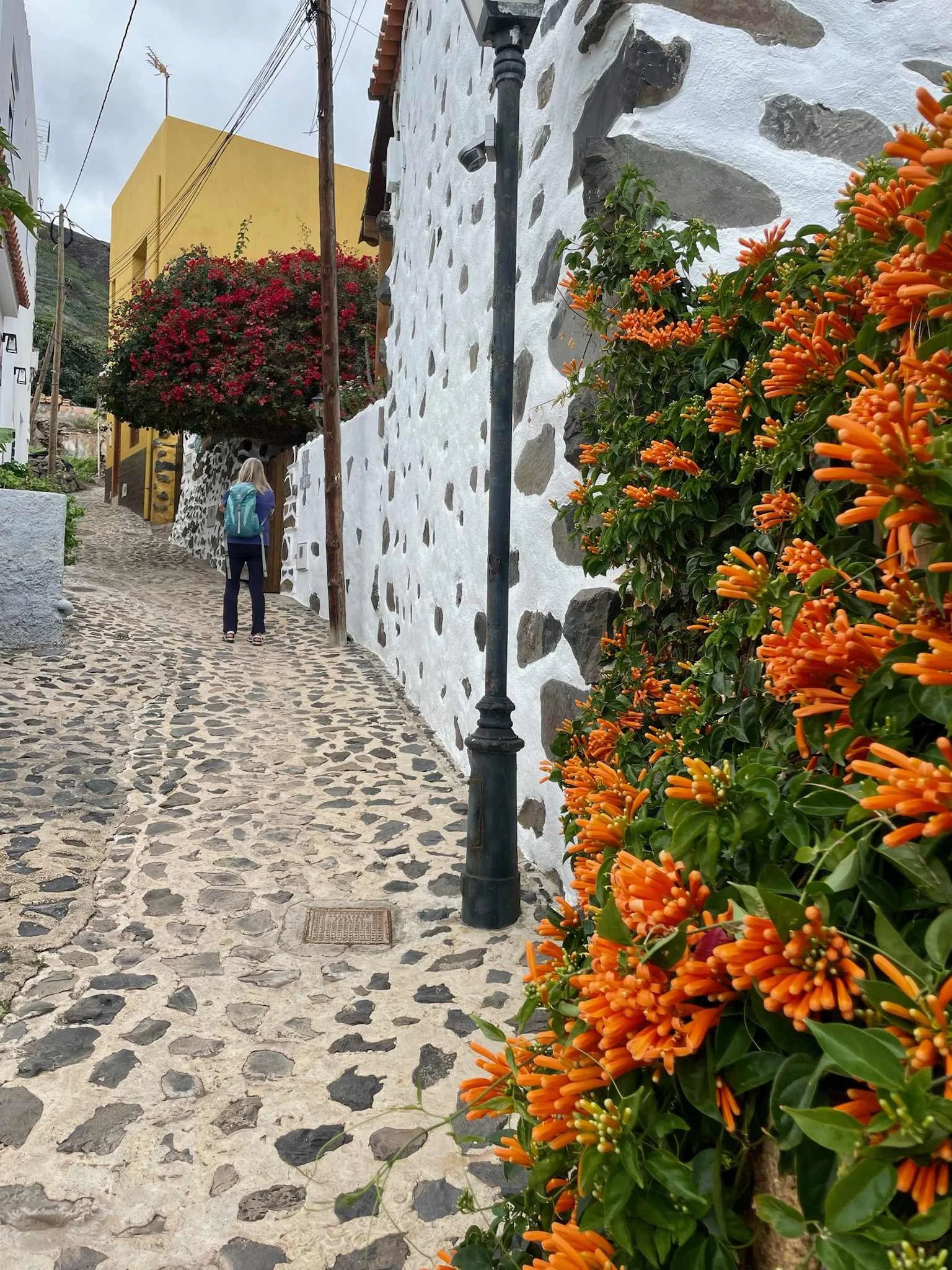
Exploring La Gomera
We spent most of our days exploring the villages on La Gomera – all of which are characterful, unspoiled and have a couple of small local restaurants where we feasted on deliciously fresh fish and seafood such as ‘churros de pescado’, and bowls of traditional local tapas such as ‘papas arrugadas con mojos’. Both food and wine on La Gomera are excellent and great value. There is a small Spar grocery store in every village, but a complete lack of any other shops in the villages, other than in Valle Gran Rey, which is more developed (but not massively so). There are plenty of shops in San Sebastián, where we also chanced upon a traditional parade and fiesta as we raced for our return ferry. It was lovely and we wished we could have stayed longer - there are various such festivals throughout the year, so we regretted our prior lack of research.
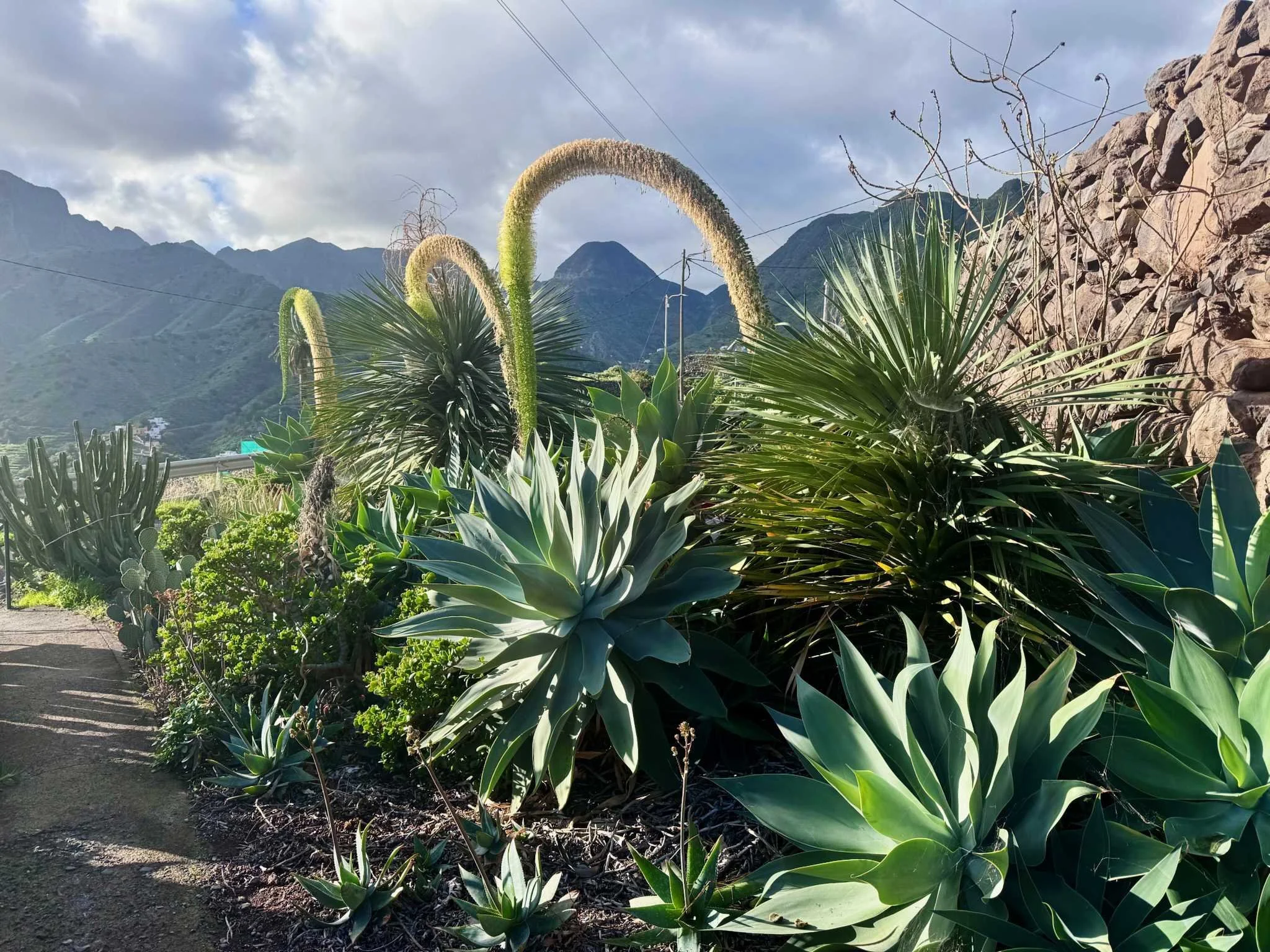
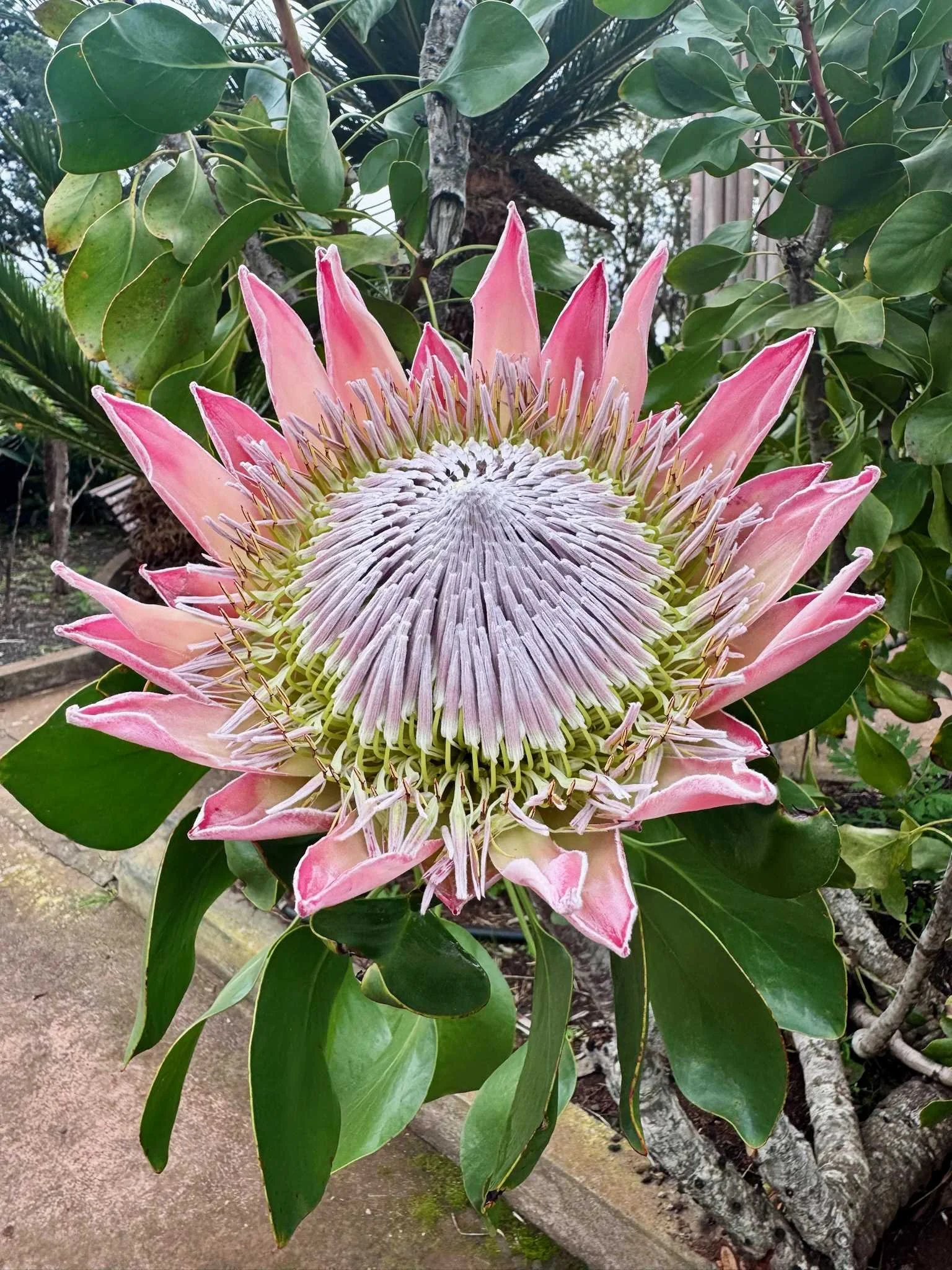
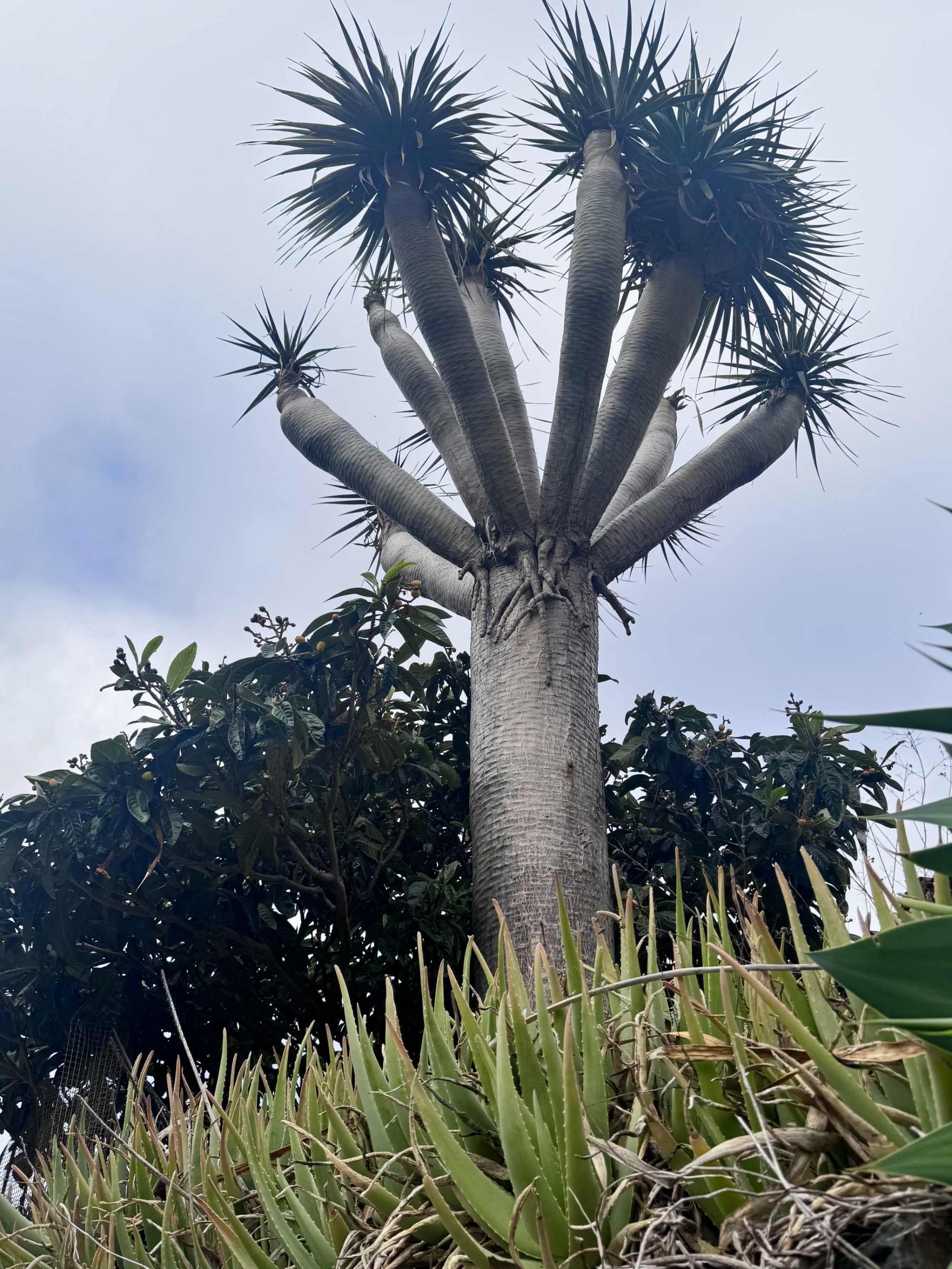
There are also a few museums, galleries and churches scattered around the island, but unfortunately they were all closed when we visited – perhaps January is the ‘down’ season? The only exception being the excellent Juego de Bolas Visitor Centre near Agulo, where we whiled away an interesting couple of hours learning about the island’s nature and the Garajonay National Park, which is a World Heritage Site.
The valleys on La Gomera are so deep that the Gomerans developed their own language: Silbo Gomero, which is a unique whistled language that mimmicks spoken Spanish, using whistles to represent vowels and consonants, allowing messages to travel miles. It's a fully developed language, designated UNESCO Intangible Cultural Heritage, is taught in schools, and is apparently understood by most islanders. Fascinating!
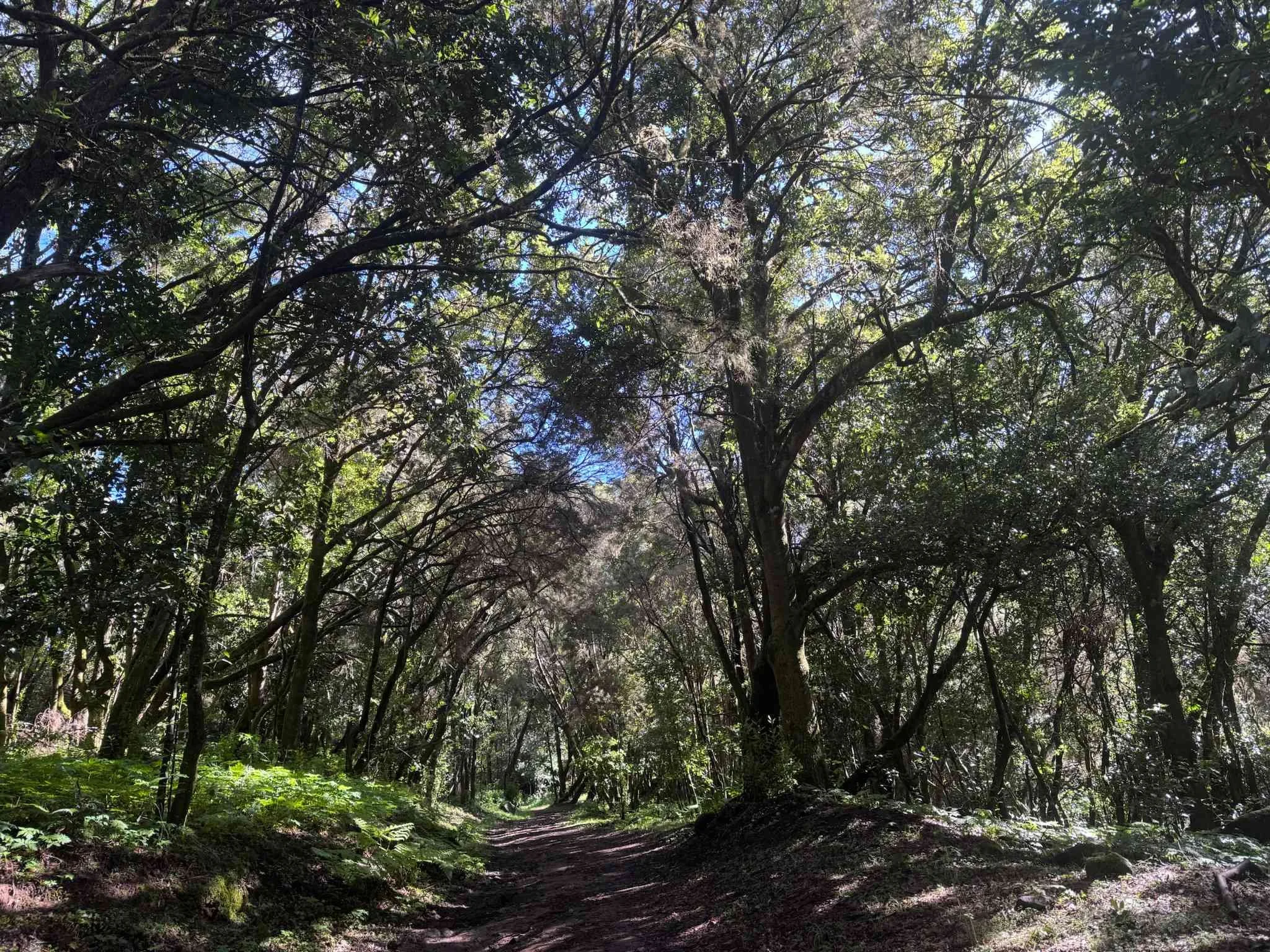
Walking in La Gomera
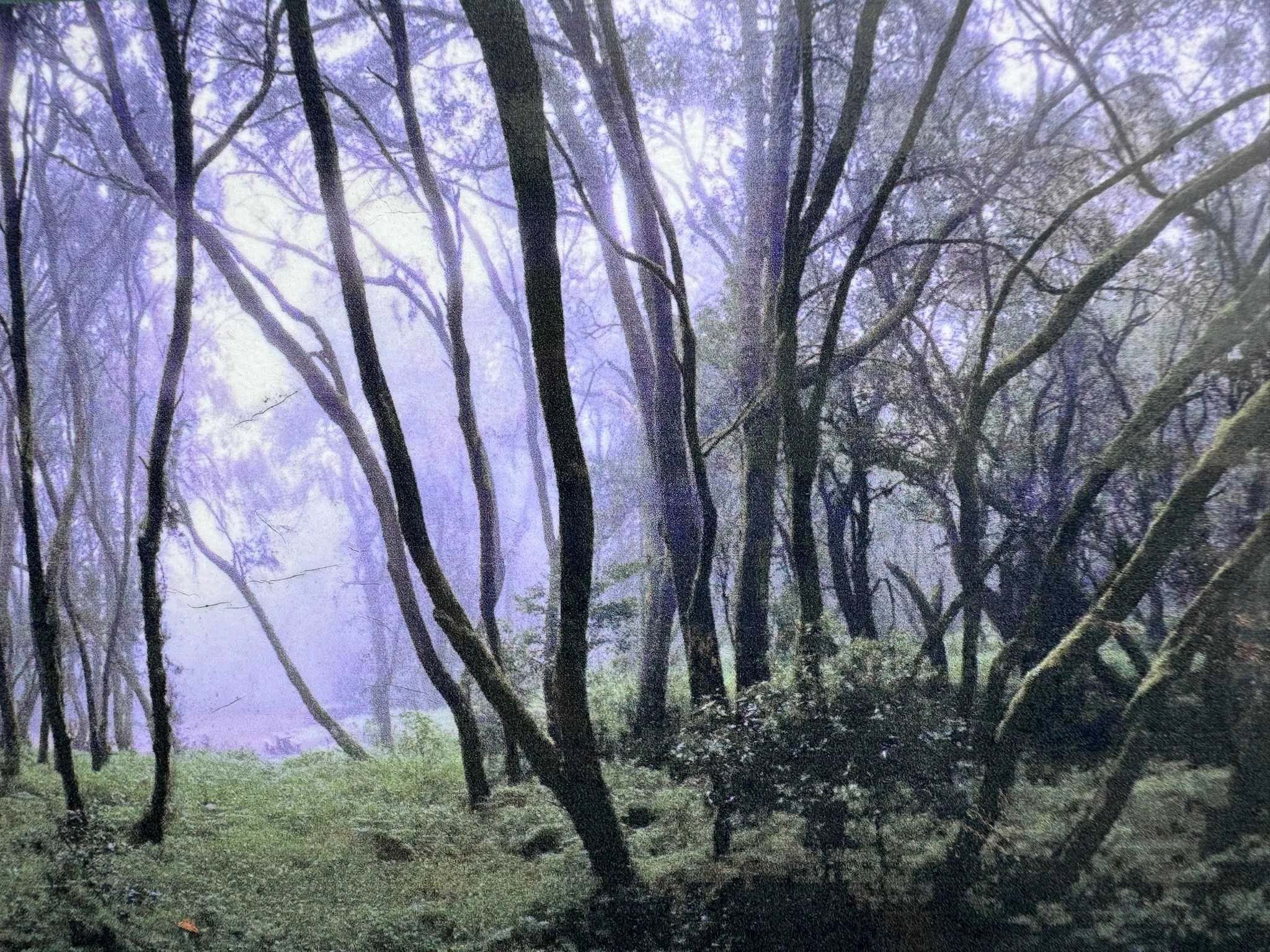
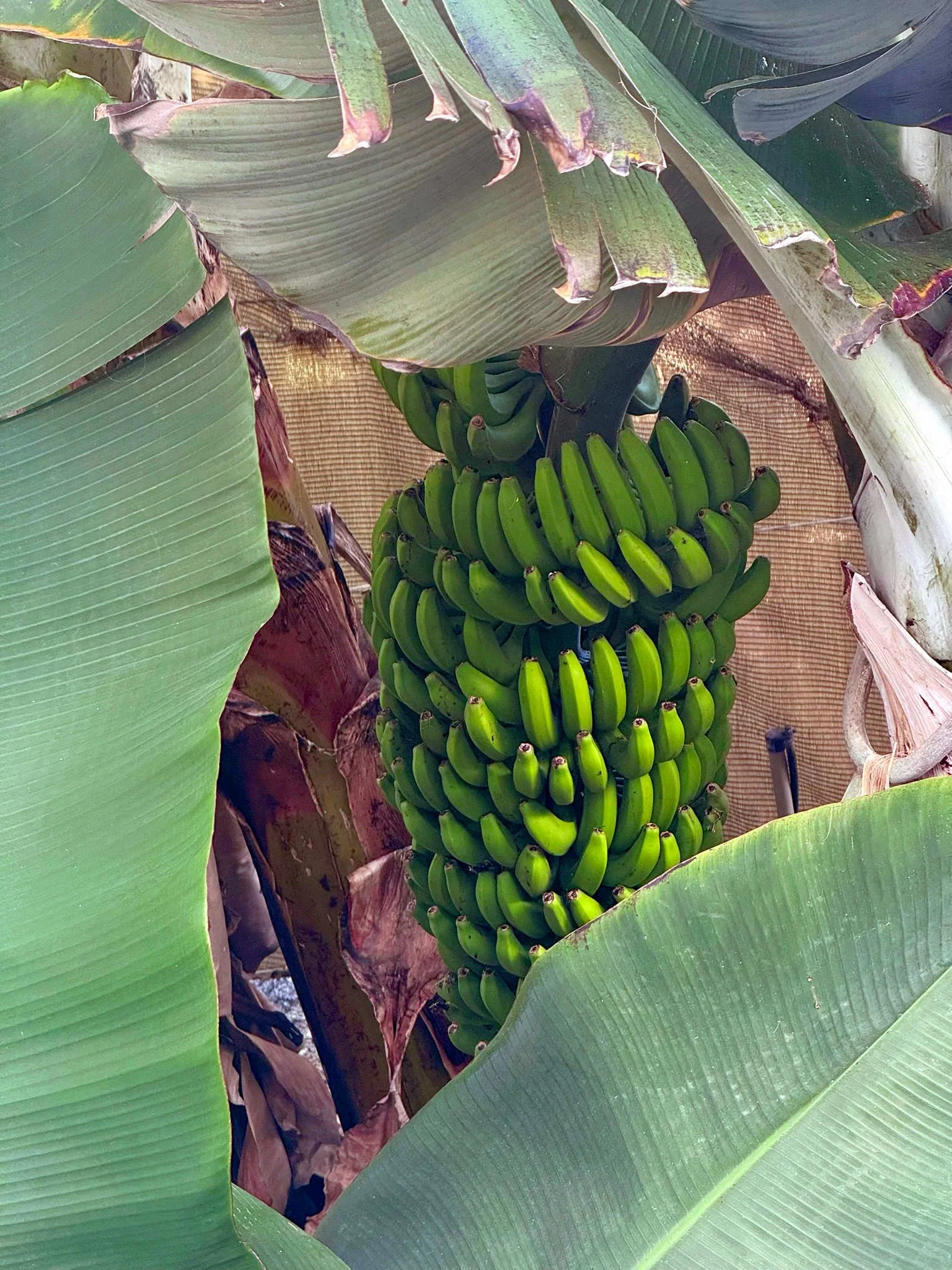
We walked in surroundings of staggering natural beauty and diversity – through the cool, dripping, mossy cloud forests of the Garajonay National Park, along beaches where the Atlantic ocean crashed onto volcanic black sands, through carefully cultivated terraces of banana, papaya, avocado and orange groves, and below steep mountain sides covered in juniper trees and stunning wild cacti of incredible size, vitality and drama.
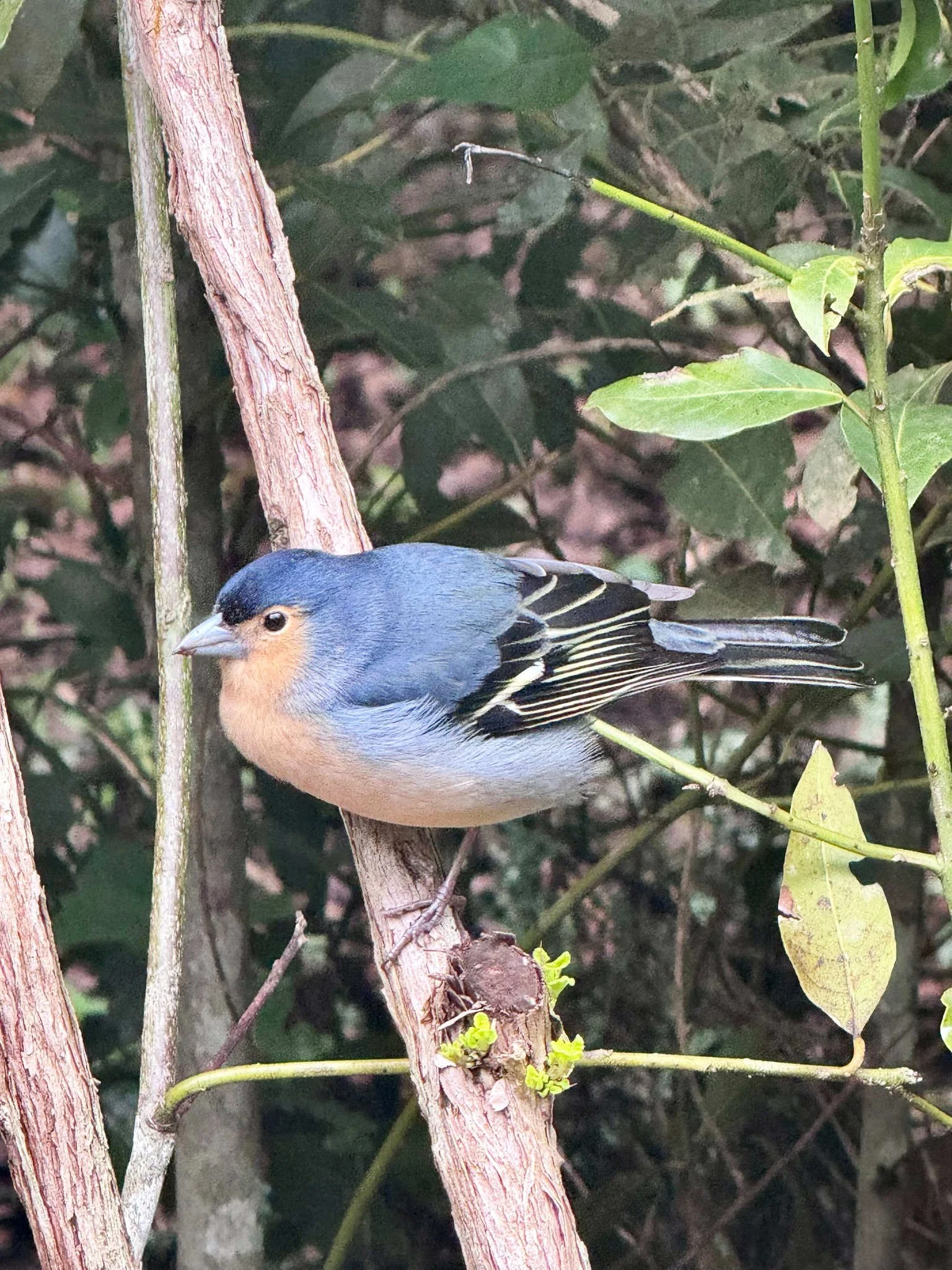
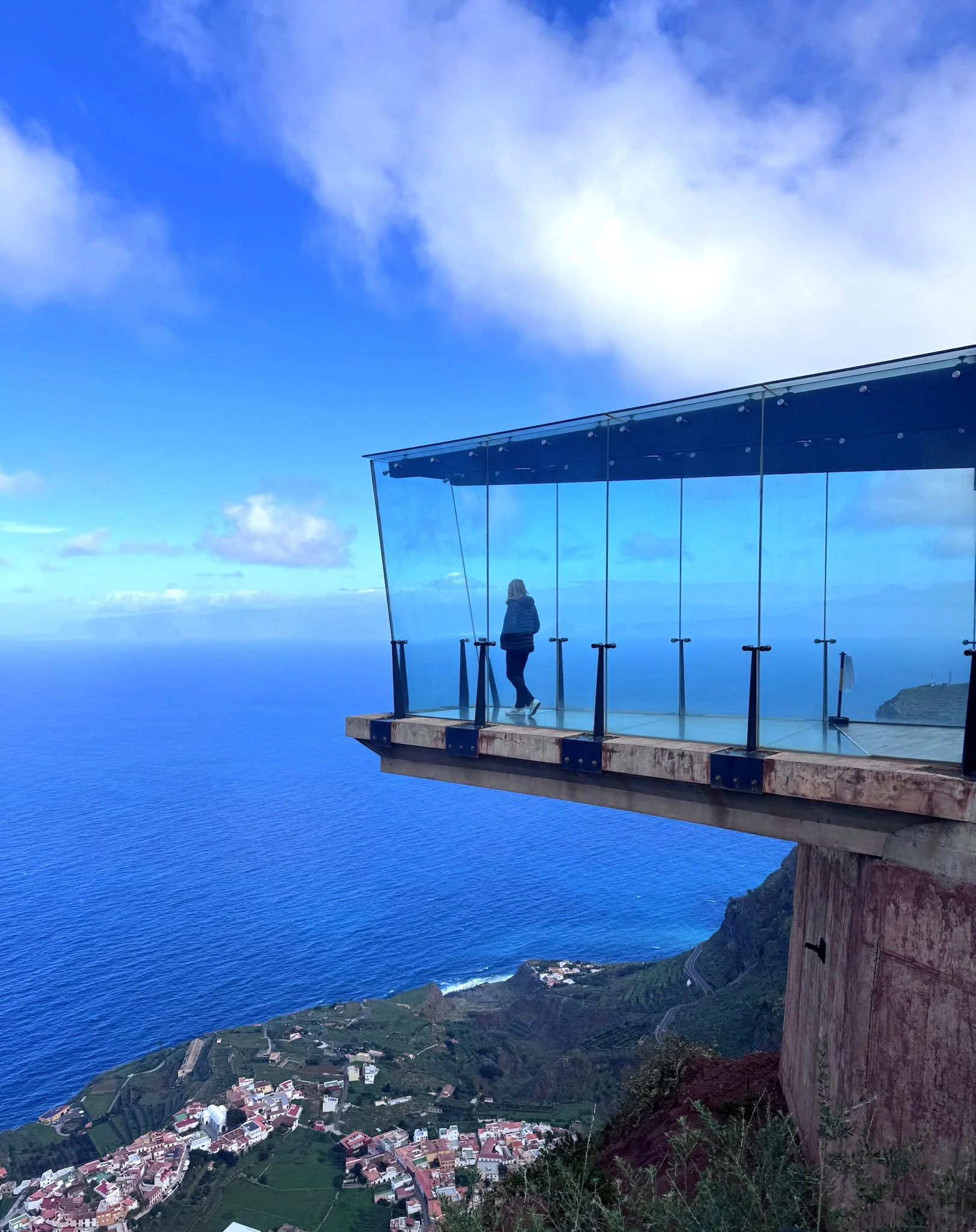
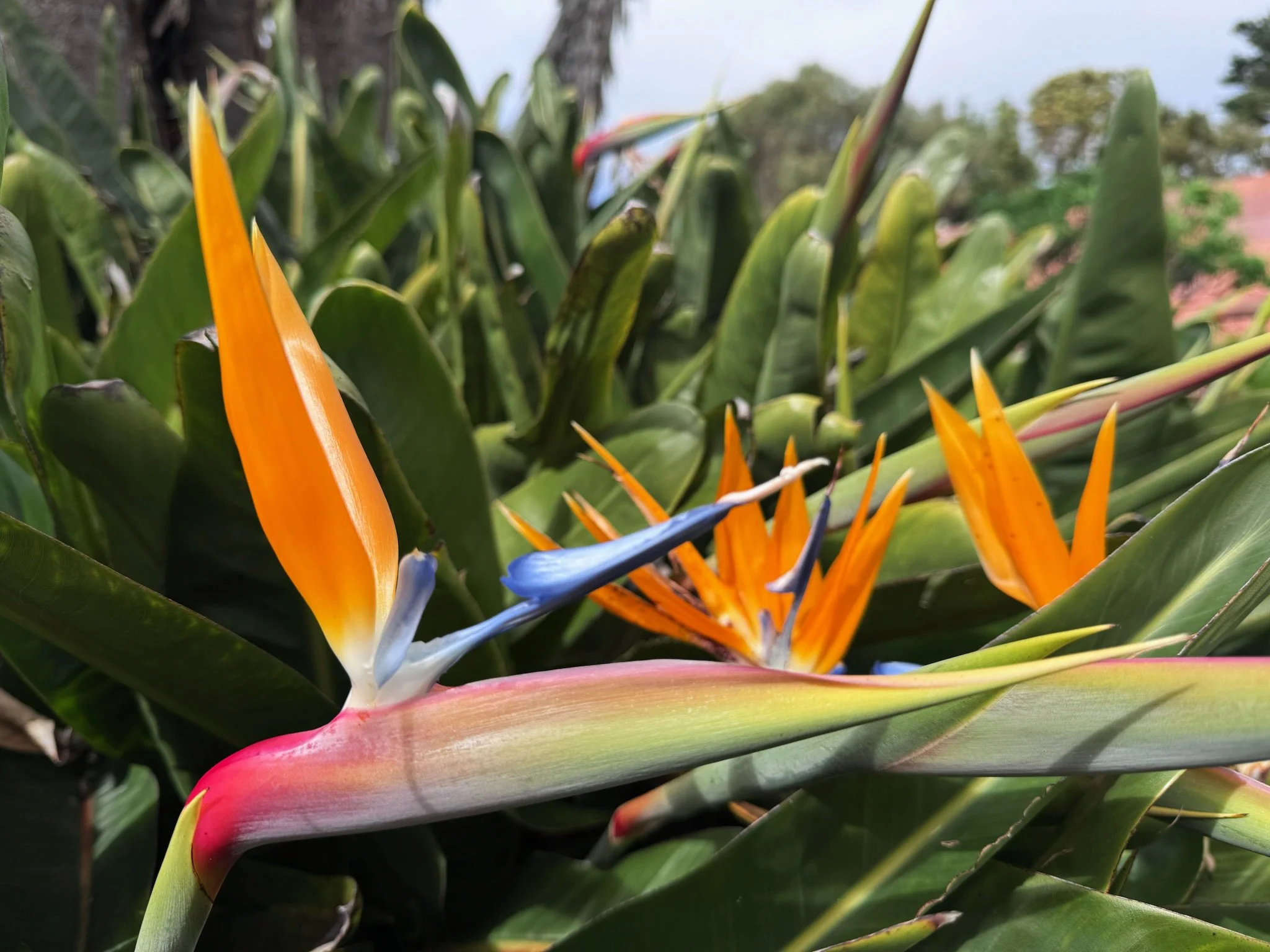
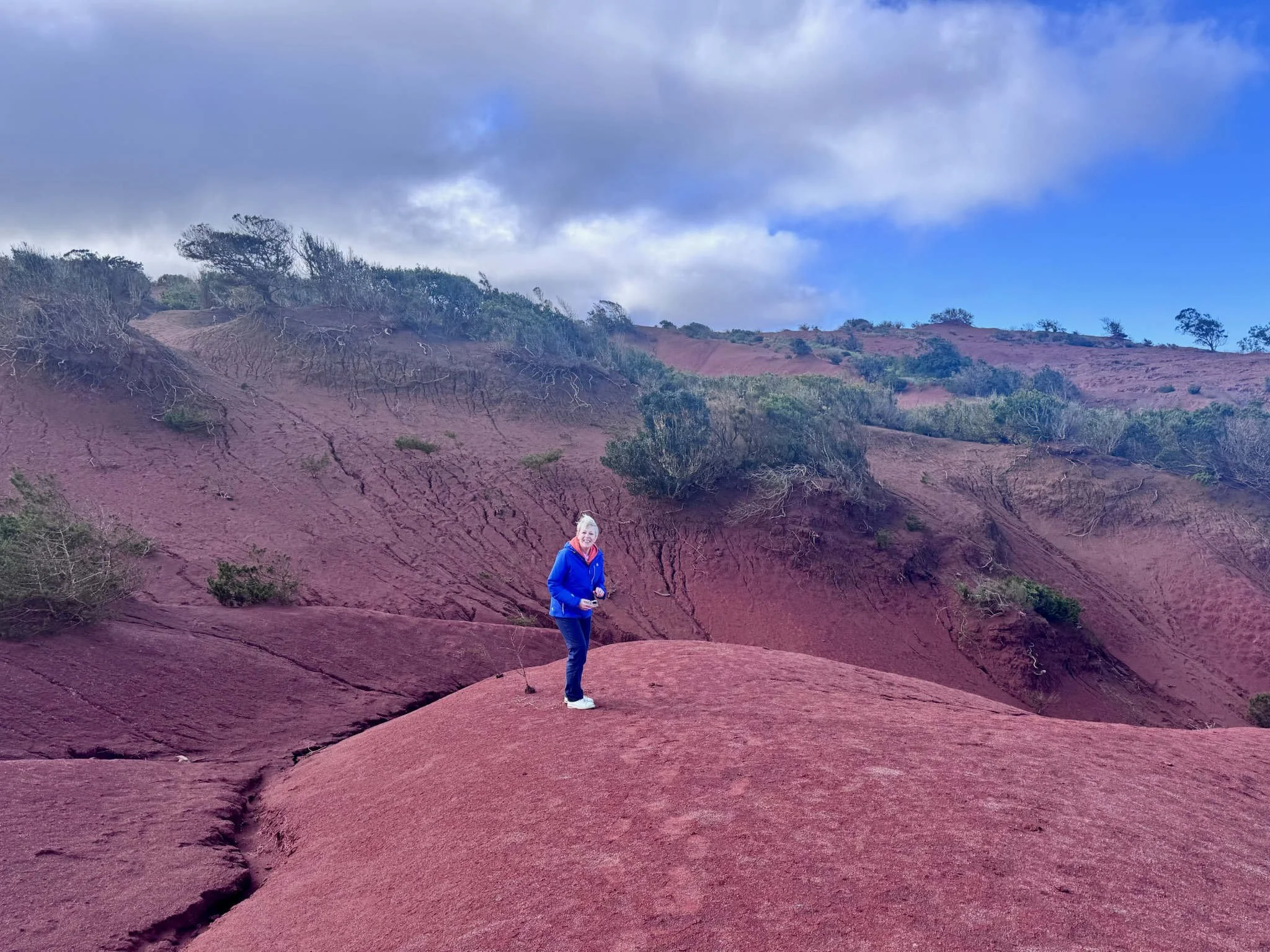
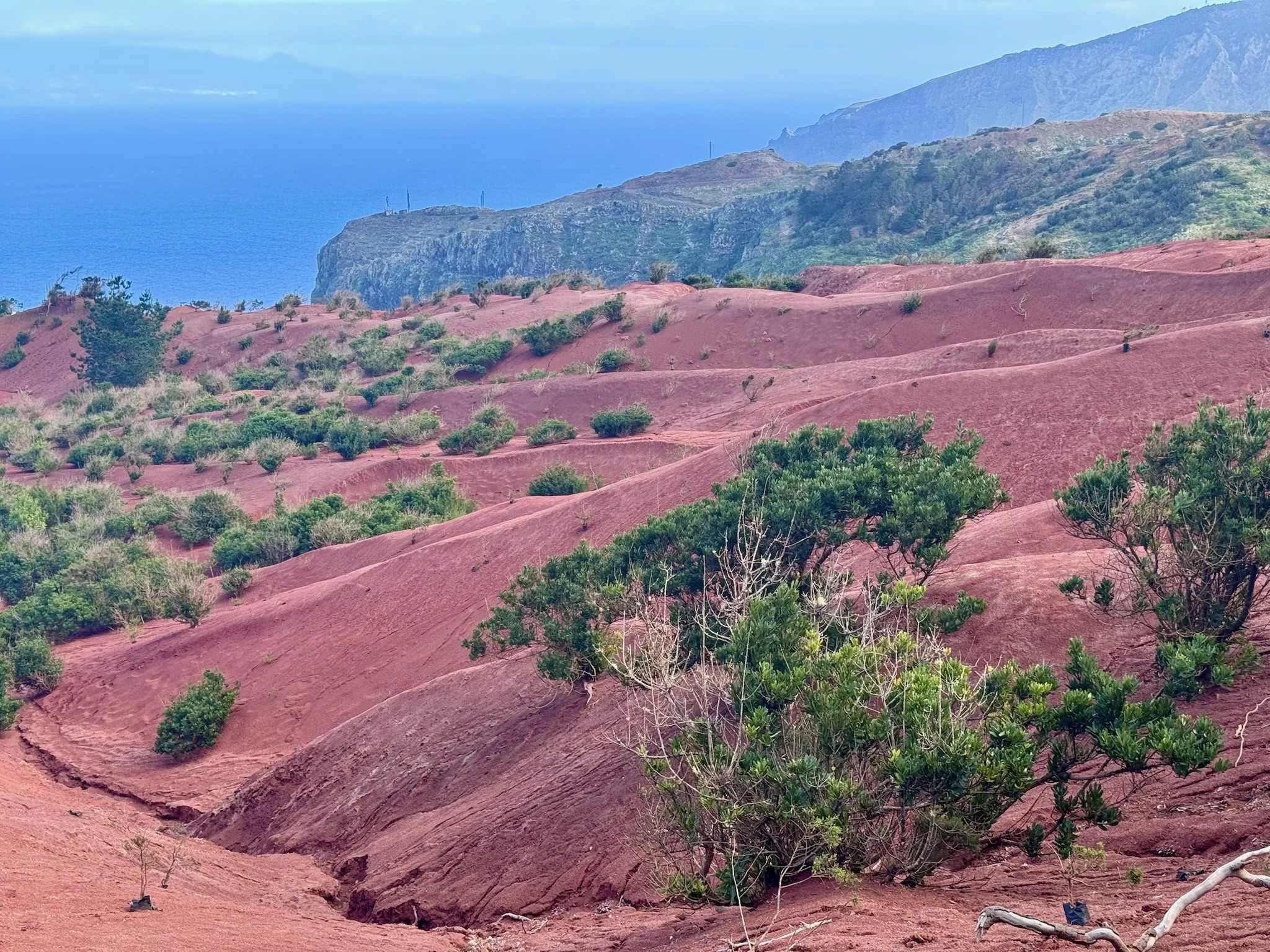
We ambled through the old villages where houses were almost smothered by exuberant bougainvillaea and trumpet vines, and wandered through the incredible red ‘Martian’ landscape behind the highly Instagrammable Mirador de Abrante. All the walks were absolutely incredible, and I’d love to return to do more.
Is La Gomera worth visiting?
Yes! For travellers in search of peaceful, unspoiled nature, exceptional beauty and endless hiking opportunities, La Gomera really does have it all. But don’t trust the weather forecast, and take clothes for all eventualities!
All the information you need to plan your trip can be found on the La Gomera website.